 Skip to content
Welcome to CBD Gummies Online shop australia
CBD Gummies Australia Online
Whare are CBD Gummies?
CBD Gummies are edible products containing cannabidiol (CBD) that are shaped like gummies. Cannabinoids like THC are known to generate the high or intoxication effect associated with the plant Cannabis sativa. CBD has no known high effect. CBD Gummies are made up of CBD extract, and other ingredients like gelatin or pectin, flavors and sweeteners. Like conventional medicines, each gummy is marked with the CBD content in mg. Contrary to CBD oils, the dose of CBD in an oil is measured in mg/mL. CBD Gummies undergo metabolism in the digestive system, and thus their effects take longer to manifest than inhaled cannabis products. CBD Gummies alone do not make a product legal, approved, or suitable for therapeutic use in Australia.
CBD Gummies and the Australian Health Pathway
The Therapeutic Goods Administration (TGA) legalizes therapeutic products. Similar to other cannabis plant products, access to medicinal cannabis in Australia is governed by specific regulatory pathways. The majority of medicinal cannabis products in the Australian market remain unapproved therapeutic products and are not listed in the Australian Register of Therapeutic Goods (ARTG). In Australia, patients should consult their healthcare professional (e.g. their GP) about their condition and treatment options rather than relying on product information available online. Symptoms and circumstances are best discussed with your healthcare professional to ascertain if treatment with a cannabinoid-based product is appropriate. There are pathways in Australia to access medicinal cannabis products that have not been approved by the TGA
These include the Special Access Scheme (SAS) and Authorised Prescriber Pathways. Patients cannot access products through these pathways. A good way to assess CBD gummies is to check what is on the packaging beyond the front label. The amount of CBD (mg) per gummy should be stated on the package as well as the total number of gummies in the package. Other ingredients should also be disclosed. Manufacturer information may be available and should be examined. Marketing language can be misleading. Depending on the formulation and manufacturer, CBD products can vary in terms of consistency and quality. This article is educational and does not provide medical advice or promote self-treatment. Author: Health Content Editorial Team. Medical review: Content should be reviewed by an Australian-registered healthcare professional before publication. Disclaimer: Always consult your GP or pharmacist before taking CBD or medicinal cannabis, particularly if you are pregnant or have an existing medical condition.
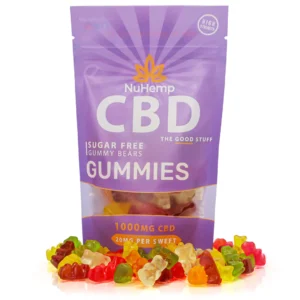
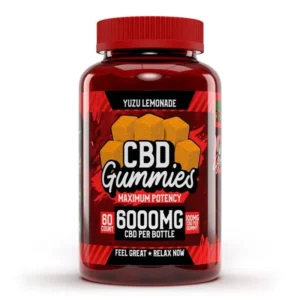
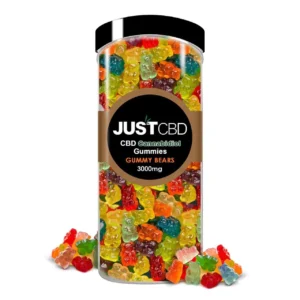
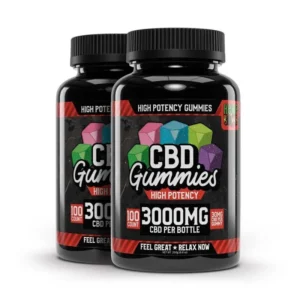
CBD Gummies Online New Arrivals
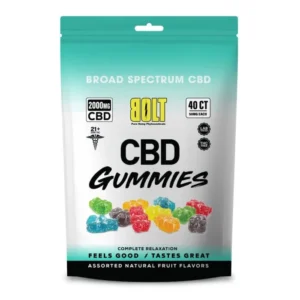
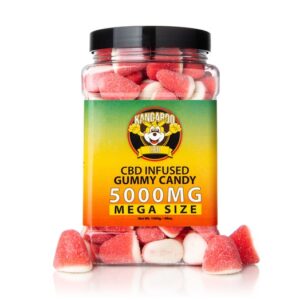
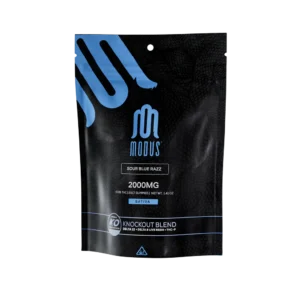
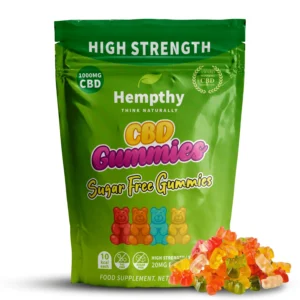
Australian Legalities & Regulatory Compliance
In Australia, the legality of CBD Gummies is based on how they are formulated, represented and supplied. In Australia, CBD is only allowed in medications which are on the Australian Register of Therapeutic Goods (ARTG). The Therapeutic Goods Administration (TGA) has said that the majority of medicinal cannabis products are unapproved therapeutic goods, and are therefore not on the ARTG. So, consumers can’t assume that just because CBD Gummies are sold online that they are legal. The TGA does, however, recognize certain CBD classifications. For example, a pathway for a CBD product to be classified as a Schedule 3 product (pharmacist-only supply) exists. Generally, a CBD product’s classification is based on its ingredients, intended use, health claims, labeling and advertising.
Thus, a CBD Gummy called a “wellness gummy” doesn’t mean that it’s not still a CBD product regulated by the Australian Therapeutic Goods Administration. Thorough compliance with applicable Australian laws and standards is needed for legal supply of CBD Gummies in the Australian marketplace. In particular, before they can be legally supplied as a therapeutic product in Australia. For Australians wanting to try CBD Gummies for a medical reason, the safest option is to go and see a registered general practitioner (GP) or nurse practitioner or other appropriate medical professional. The medical practitioner would assess whether cannabidiol (CBD) is clinically appropriate, and take into account the patient’s other medications, medical conditions, and health concerns, and treatment history.
CBD is available in a variety of different forms, including gummies. Dosage and formulation information should be in standard Australian metric measures. For example, as milligrams (mg) of CBD per gummy, or as mg/mL for CBD liquid preparations. Consumers should know that the TGA outlines that advertising therapeutic cannabis products, including products containing CBD, to the public is illegal, including products containing Scheduled 4 and Scheduled 8 substances, as well as unapproved therapeutic goods. The TGA website provides information on how to identify if a therapeutic cannabis product has TGA approval. The Therapeutic Goods Administration (TGA) provides pathways where unapproved medicinal cannabis products can be prescribed (Special Access Scheme and Authorised Prescriber Scheme). In these instances, the practitioner, not the patient, is responsible for the relevant TGA approval or notification.
Author: Australian Health Content Editorial Team. Medical review: Content should be reviewed by an Australian-registered healthcare professional before publication. Disclaimer: This article provides general educational information only. It is not medical or legal advice and does not recommend purchasing or using CBD Gummies. Always consult a qualified Australian healthcare professional and check current TGA requirements before making treatment decisions.
The Legal Status of CBD Gummies in Australia (2026 Guide)
The legality of CBD Gummies varies in Australia, based on a number of factors, including their formulation and regulatory classification. CBD is typically classified as a Schedule 4 Prescription Only Medicine, if a therapeutic preparation contains at least 98% CBD and no more than 2% of other naturally occurring cannabis cannabinoids. Certain low-dose CBD preparations are classified as a Schedule 3 Pharmacist Only Medicine. But as of 2026, no products on the Australian Register of Therapeutic Goods (ARTG) meet the Schedule 3 requirements. Therefore, Australians cannot assume that CBD Gummies sold online containing CBD and/or advertised as low-dose are legal to sell over-the-counter. Access to unapproved cannabis products is via a healthcare practitioner and an authorised regulatory pathway. The TGA provides pathways to eligible products for prescription via the Special Access Scheme (SAS) or via the Authorised Prescriber Scheme.
Australian regulations on prescription access and over-the-counter (OTC) scheduling can be particularly confusing when researching CBD gummies. Something that’s classified as Schedule 3 does not necessarily mean CBD gummies of that product can be legally purchased without a prescription. It means that the product has met the requirements necessary for it to be legally supplied. In the TGA’s update on the Low Dose Pathway for cannabidiol (CBD) products, they state that some products may be able to contain up to 150 mg of CBD per day for adults, but only if the product has gone through all the necessary regulations to be listed on the Australian Register of Therapeutic Goods (ARTG). This means, that, as of 2026, there is still no general pathway for the sale of unregulated, ordinary CBD gummies in the Australian general market. Consumers should check the actual mg of CBD per gummy and not rely on terms such as “low strength” or “natural.”
There are also various compliance concerns with advertising. There are also some specific restrictions to the advertising of prescription medicines, pharmacist-only medicines and other unapproved therapeutic goods. The TGA also states that medicinal cannabis cannot be advertised to consumers. Author: Australian Health Content Editorial Team. Medical Review: This article should be reviewed by an Australian-registered healthcare professional before publication. Disclaimer: This information is educational only. It is not medical or legal advice and does not recommend purchasing or using CBD Gummies. Scheduling and laws in Australia are always subject to change, and therefore consumers need to ensure that they are up-to-date with the most recent laws and regulations with the Therapeutic Goods Administration and other qualified health professionals.
TGA Regulations and Unapproved Medicinal Cannabis Products
In Australia, the regulatory framework for Cannabidiol (CBD) Gummies for therapeutic use is within the medicinal cannabis and therapeutic goods framework. The Therapeutic Goods Administration (TGA) states that most medicinal cannabis products are ‘unapproved therapeutic goods’ and are, therefore, not listed on the Australian Register of Therapeutic Goods (ARTG) and have not been assessed by the TGA for safety, quality and/or effectiveness. Unapproved products can be accessed by a health practitioner if they consider the product to be clinically appropriate. The main access ways are through the Special Access Scheme (SAS), the Authorised Prescriber (AP) Scheme and clinical trials. A consumer cannot apply to the TGA for access to an unapproved medicinal cannabis product. Only a general practitioner (GP) or other eligible health practitioner can make such an application.
This information is important for CBD gummies, as just because a webpage says a product is ‘CBD’ does not mean it is approved in Australia. Strength of a product should be expressed in metric units (i.e. milligrams). Consumers should not rely on other labelling, such as ‘natural’ or ‘Australian compliant’, and evaluate products based on the active constituents, ingredients, and the therapeutic use claims. The TGA also controls the quality of medicinal cannabis supplied through the various pathways. TGA’s Personal Importation Scheme allows individuals to import unapproved therapeutic goods for their personal use or for an immediate family member in certain situations. However, this should not be understood as general approval to import any CBD Gummies from an overseas website. Prescription-only medicines require a valid prescription or written authority, and the normal supply is limited to 3 months at the prescribed dose.
The total quantity imported in any 12-month period should not exceed a 15-month supply. Such products should be in their original packaging. Products cannot be sold, supplied or given to another person. There are similar exclusions as for other Personal Importation Schemes. It should be understood that TGA does not assess products imported under the Personal Importation Scheme. In relation to therapeutic CBD Gummies, it may be appropriate for an individual to discuss this through an eligible practitioner to determine if there is a basis for consideration for medicinal cannabis. Where an unapproved product is prescribed, the relevant Special Access Scheme or Authorised Prescriber requirements would apply to the supply.
How to Get a Prescription for CBD in Australia (The Special Access Scheme)
Consultation with a registered healthcare practitioner is the first step for Australians interested in using CBD Gummies for medical purposes. Your GP will review your current symptoms, your medical history, the medicines you are taking and your previous treatments. The discussion will help determine if it is clinically appropriate to prescribe medicinal cannabis. The TGA states that medicinal cannabis can be prescribed through the approved access pathways by registered medical practitioners and nurse practitioners. As of now, the large majority of the medicinal cannabis products are still classified as unapproved therapeutic goods. Your GP will make a determination as to the appropriateness of an unapproved CBD product. You should ask your GP what CBD product is being considered, what concentration of CBD it contains and what form it is in. CBD Gummies should be clearly labeled in Australian metric measurements.
Prior to taking an unapproved CBD product, your practitioner should discuss with you the potential benefits and risks of the product, possible side effects, interactions, monitoring and costs. According to the TGA, ARTG-listed products should be considered prior to taking an unapproved product. SAS category B applies to the practioner, not to you. The practioner provides justification for the product and waits for approval prior to prescribing the unapproved product. The GP will assess whether an unapproved cannabis product is appropriate. If yes, the medical practitioner will complete and submit the application via the TGA SAS and AP Online System. SAS Category B allows health professionals to access unapproved medicinal cannabis products on a case-by-case basis. The TGA states that processing SAS Category B applications take 2 to 5 days, though providing additional information may increase the processing time.
Having SAS B approval allows health professionals to prescribe unapproved medicinal cannabis products to an individual patient. If the health professional is an Authorised Prescriber, a different pathway may apply to prescribe unapproved products to a defined patient group. Once the relevant approval is granted, the health professional provides the prescription and the product is sourced from a pharmacy. Generally, unapproved medicinal cannabis products are not stocked and the pharmacy would need to source the product. Patients should not use overseas websites, tobacconists, vape shops and unregistered online sellers. A prescription does not mean the TGA has assessed the product for safety, quality or efficacy. Author: Australian Health Content Editorial Team. Medical review: This article will be reviewed by an Australian healthcare professional before publication. Disclaimer: This article is general information and not medical or legal advice. It does not recommend the use of CBD gummies or similar products. Always consult your healthcare professional before changing your treatment.
Traveling with CBD Gummies: Australian Border Force & Domestic Laws
People should not think CBD Gummies can enter Australia just because they can find or buy them elsewhere. Australian law looks at other factors including how a product is supplied and what its ingredients are. If a product is excluded from the ordinary Personal Importation Scheme by the Therapeutic Goods Administration (TGA), then it generally cannot be purchased from an overseas retailer and imported to Australia by mail or courier. However, a traveller may bring medicinal cannabis that is prescribed for them for personal use. It should be in its original, identifying, dispensed packaging. The TGA says this exemption generally allows a 3 month supply. Travellers should be aware of the rules around imports as the Australian Border Force can ask for evidence and travellers should comply with all customs directions. This is particularly the case with CBD Gummies.
It is not guaranteed that products labeled as CBD are legal in Australia. Further, products that contain THC create additional legal issues. To avoid breaking the law, a traveller should check the actual content of a CBD product in mg to make sure it does not have THC.“Domestic travel in Australia does not alter the responsibilities placed on individuals by state and territory drug laws.” Domestic travel allows individuals to possess only lawfully prescribed and supplied medicinal cannabis. The TGA acknowledges that state and territory governments have distinct requirements for medicinal cannabis possession for Schedule 8 products. Patients should consult with their state and territory health departments to learn more about the requirements where they live. Before flying, CBD Gummies should be kept in the original pharmacy packaging with the prescription label. Patients should also travel with their prescription and/or a supporting letter from their doctor to clarify lawful possession.
If a patient is using a product covered under the TGA Special Access Scheme, they should have supporting documents and check requirements of their state/territory before traveling. According to the Australian Government, prescriptions medicines can be taken when “reasonably required” for a trip, and accompanying medical documentation can be requested. It is advised that travellers do not move their CBD Gummies to different containers as this can make identification difficult. The CBD Gummies should also not be given to anyone else. Travellers should also not buy CBD Gummies from an unregistered seller. The safest option is to confirm the rules with the prescribing GP, pharmacist and relevant state or territory medicines authority before travel.
Author: Australian Health Content Editorial Team.
Medical review: Content should be reviewed by an Australian-registered healthcare professional.
Disclaimer: This article is general information, not medical or legal advice.
Laws change and travellers should confirm the requirements of the TGA, the Australian Border Force and state or territory authorities prior to travel.


Product Types, Formulations & Science
CBD Gummies are cannabidiol (CBD)-containing edibles, often in the form of a gummy. The CBD may be from an isolate, a broad-spectrum, or full-spectrum extract. Broad-spectrum and full-spectrum extracts contain additional cannabinoids beyond CBD. These terms, however, do not indicate product quality or therapeutic value. Likewise, terms such as “extra strength” do not indicate product potency. CBD Gummies, like other edibles, may contain a variety of excipients, including sweeteners, flavorings, and oils. The amount of CBD should be expressed in mg per unit. Australian medicinal cannabis products are also available in other forms, including capsules and oral liquids. Unlike CBD Gummies, the TGA places unapproved medicinal cannabis products into three categories, based on their cannabinoid composition. Category 1 products contain at least 98% CBD of total cannabinoids, are of a Schedule 4 prescription only, and require a TGA-endorsed prescription.
A Certificate of Analysis (CoA) may provide information regarding cannabinoids and/or contaminants. A CoA, however, does not imply that the product is TGA-approved. This is important when considering CBD Gummies available online. Consumers should evaluate whether the formulation contains THC, CBG, and/or other cannabinoids. Minor formulation changes may affect a product’s classification. Knowing the CBD content of a CBD gummy is only part of the science of CBD gummies. CBD is broken down by the body and can potentially interact with medicine via metabolism, and through pathways involving the enzyme system CYP450. The TGA notes that clinically important interactions may occur, and hence it is important to have the ingredient list reviewed by a GP or other qualified healthcare practitioner, especially if an individual is on prescribed medicines. Most medicinal cannabis products available in Australia are unapproved therapeutic products, and have not been evaluated by the TGA for quality,
safety or efficacy. Access to appropriate unapproved products can occur through pathways such as the Special Access Scheme (SAS) or Authorised Prescriber Scheme. A technical check that can be done is to tell the difference between CBD content per gummy and total CBD content in a product. An example to illustrate this is a product containing 30 gummies, each with 10mg of CBD. In that case the total CBD content of the product would be 300mg. Doing simple checks like this can help avoid misleading comparisons of CBD content between products. It can also be helpful to check how a product reports THC content in the product, whether in mg/g or mg/ml, depending on the formulation. Disclaimer: This article is educational only. It is not medical advice and does not recommend using or purchasing CBD Gummies. Always discuss cannabinoid products and potential medicine interactions with a qualified healthcare professional.
Full-Spectrum vs. Broad-Spectrum vs. CBD Isolate Gummies Explained
CBC Gummies may vary in cannabinoid profiles. The 3 main types are full-spectrum, broad-spectrum and CBD isolate. Full-spectrum CBC Gummies have a profile that keeps other naturally occurring compounds in cannabis, including THC and other cannabinoids, like CBG. Broad-spectrum CBC Gummies have a profile of other cannabinoids and compounds, similar to full-spectrum, but manufacturers process the compounds to remove THC and other cannabinoids. CBD isolate has a profile of purified CBD and other cannabinoids. These terms describe a product’s formulation and not necessarily a product’s quality or a consumer’s effectiveness. Although, the “entourage effect” suggests that cannabinoids and other plant compounds interact synergistically to produce an enhanced effect, evidence of clinically meaningful effects is lacking. Thus, it is unreasonable to think that full spectrum CBC Gummies are better than CBD isolate Gummies or that they work better.
The best way to compare CBC Gummies is to look at a product’s Certificate of Analysis and compare the cannabinoid profiles. Regulatory definition of medical cannabis products in Australia varies based on the cannabinoid profile. For instance, the TGA places a CBC-dominant product that has 60% to less than 98% CBD of total cannabinoids in Category 2. A product that has 98% or more CBD of total cannabinoids falls in Category 1. The concentration of other cannabinoids is what ultimately differentiates these CBD Gummies. Full-spectrum CBD Gummies may have THC. Broad-spectrum CBD Gummies have had their THC removed during processing, but this doesn’t necessarily mean “THC-free” CBD Gummies are THC-free. CBD Isolate Gummies are the simplest of the cannabinoid profiles.
Having a simple profile doesn’t mean it’s the best or most effective product for you. A number of factors during processing may alter the final profile of cannabinoids in the product, which is why testing by an independent laboratory is vital. In Australia, most medicinal cannabis products are listed as unapproved therapeutic goods by the Therapeutic Goods Administration (TGA). This means they have not been assessed by the TGA to ensure they are safe, of good quality and effective before supply. The TGA makes it very clear that a medicinal cannabis product in Categories 2, 3, 4 or 5 is a Schedule 8 medicine. This means it contains less than 98% CBD and the other cannabinoids, including THC, make up the balance.
Understanding Minor Cannabinoids: CBN, CBG, and THC in Gummies
Australians notice a clear rise in multi-cannabinoid CBD gummies that blend CBD with minor compounds such as CBN and CBG. People seek these formulas for targeted support. CBD plus CBN appears often in evening products that aim to ease the path to sleep. CBG joins CBD in daytime options that some users link to clearer focus. THC remains present only in low amounts within approved medicinal products. The combination draws interest because early research points to possible complementary effects among cannabinoids. In Australia this trend sits firmly inside the medicinal cannabis space rather than open retail shelves.
Access to CBD gummies that contain CBN, CBG or THC requires a valid prescription under Therapeutic Goods Administration rules. Low-dose CBD alone sits in Schedule 3 on paper, yet no products currently hold ARTG listing for pharmacist-only sale. Higher or multi-cannabinoid formulas fall under Schedule 4 or Schedule 8 and need Special Access Scheme or Authorised Prescriber pathways. Doctors assess individual needs before any supply occurs through licensed pharmacies. Unapproved imported gummies risk seizure at the border and potential penalties. Always check the latest TGA guidance and speak with a registered health professional. This information serves educational purposes only and does not constitute medical advice.
Quality CBD gummies in the Australian medicinal market carry batch-tested certificates that list exact cannabinoid levels. Consumers value transparent labelling of CBD, CBN, CBG and any residual THC. Research into minor cannabinoids continues, with CBN studied for sleep-related outcomes and CBG examined for potential daytime effects, though evidence remains limited. Australian patients report interest in these blends for personalised routines under clinical supervision. Importing non-compliant products stays illegal. Consult your GP or an authorised prescriber for advice tailored to your situation. References include current TGA Poisons Standard listings and medicinal cannabis access pathways as of 2026.
Hemp Gummies vs. CBD Gummies: What is the Real Difference?
Many Australians mix up hemp gummies and CBD gummies at the shops or online. Hemp gummies usually come from hemp seed oil. They hold almost no cannabidiol. Food Standards Australia New Zealand allows hemp seeds and oil with strict limits. THC stays at or below five milligrams per kilogram. CBD stays very low too. These products sit on shelves as ordinary foods. They carry no real cannabinoid punch. People buy them for fibre or general wellness claims. True CBD gummies work differently. They deliver measured amounts of cannabidiol extracted for therapeutic use. The market confusion grows because both look similar and use the hemp plant name.
Actual CBD gummies fall under Therapeutic Goods Administration rules in Australia. Low-dose options with up to 150 milligrams of CBD per day and at least 98 percent pure CBD sit in Schedule 3 on paper. Yet no products appear on the Australian Register of Therapeutic Goods for over-the-counter sale as of late 2026. Higher-strength or multi-cannabinoid CBD gummies need a prescription. Doctors use the Special Access Scheme or Authorised Prescriber pathway. Pharmacies then dispense them. Unapproved CBD gummies imported from overseas remain illegal. Border Force seizes them often. Always check the TGA website for current scheduling. This content serves legal and educational purposes only. It does not replace professional medical advice.
The real difference comes down to cannabinoid content and legal status. Hemp seed gummies contain negligible CBD and need no prescription. CBD gummies supply active cannabidiol and require medical oversight in Australia. Lab tests and certificates of analysis prove the difference every time. Consumers who want genuine CBD effects must see a registered doctor first. Claims on non-prescription hemp products cannot promise the same results. References include the current TGA Poisons Standard, FSANZ hemp seed standards, and medicinal cannabis access guidelines. Speak with your GP before trying any product. Quality and safety matter most for Australians exploring CBD gummies.
Organic Ingredients and Carrier Oils: What Goes Into Quality Edibles?
Quality CBD gummies start with clean, carefully chosen ingredients. Organic sources reduce pesticide risks and support better purity. Many Australian patients prefer vegan options that avoid gelatine. These use plant-based pectin instead. Natural flavourings from fruit extracts replace artificial additives. They keep the taste pleasant without synthetic chemicals. Carrier fats play a key role too. They help the body absorb the active compounds. Look for products that list every component clearly. In Australia, medicinal CBD gummies must meet strict Therapeutic Goods Administration standards for safety and quality. Always verify the label and certificate of analysis. This information remains educational only.
Carrier oils improve bioavailability in CBD gummies because cannabinoids dissolve in fat. Medium-chain triglyceride oil from coconut works well. It supports faster and more complete absorption in the gut. Olive oil and other plant fats offer similar benefits. Clean formulations avoid unnecessary fillers and allergens. Vegan and organic choices suit many dietary needs across Australia. Natural flavourings keep the product appealing while meeting purity expectations. Doctors and pharmacists can guide patients toward compliant options. Unapproved products sold online often skip these quality checks. References include current TGA guidelines on medicinal cannabis manufacturing and TGO 93 standards.
Australian regulations demand high standards for any CBD gummies supplied through legal pathways. Prescription products undergo testing for contaminants and accurate dosing. Organic ingredients and quality carrier oils support consistent results when used under medical supervision. Patients should discuss suitability with a registered health professional first. Low-dose CBD remains Schedule 3 in theory, yet practical access still requires authorised channels in 2026. Avoid untested imports that claim clean or vegan status without proof. This content serves legal and educational purposes. It does not replace personalised medical advice. Check the latest TGA and FSANZ resources for updates on compliant CBD gummies.


What Our Customers Say


Health, Wellness & User Benefits
Many adults looking for a simple way to incorporate cannabidiol into their health and wellness regimen are turning to CBD Gummies. Those experiencing anxiety, stress, and other general wellness concerns are seeking these products, but there is a lack of evidence to suggest that CBD Gummies help with any medical condition, including anxiety or stress. The benefits, if any, vary from person to person and are product and cannabinoid dependent. When purchasing CBD Gummies, consumers should look at the actual CBD content, expressed in mg, and not rely on vague terms such as “high strength” or “premium”. If consumers need to compare products, they should look at mg content. In Australia, CBD products are of variable quality and many of the medicinal cannabis products are unapproved therapeutic goods, and have not been assessed for safety, quality or effectiveness by the Therapeutic Goods Administration.
If you are considering CBD for a particular health concern, speaking with your General Practitioner is always a safer bet than taking the word of product marketers. It is important to maintain a record of what products you are using and at what strength in order to have a better, more informed discussion with your healthcare provider. Australian customers compare CBD Gummies based on commercial value including transparency, consistency, and appropriate healthcare guidance, not simply price per packet. A reputable product clearly lists the CBD content in mg per serving, and other ingredients. Keep in mind that access to medicinal cannabis in Australia may involve regulated healthcare pathways. The TGA states access to unapproved medicinal cannabis may occur via the Special Access Scheme (SAS) and the Authorised Prescriber (AP) Scheme, with a registered health practitioner involved.
Therefore, customers cannot assume that an online gummy sold as “wellness” is an approved therapeutic product. For products to be of high quality health content, each article must identify its author, disclose any conflict of interest, and state whether a qualified health professional reviews medical content. A clear editorial process sets the publication apart from others. Disclaimer: This article provides general educational information and does not diagnose, treat, or prevent disease. CBD is not suitable for everyone, and may interact with medicines. Speak with your pharmacist or a qualified Australian health professional before taking CBD, particularly if you have an ongoing health condition, are on prescription medicines, are pregnant, or are breastfeeding.
CBD Gummies for Sleep: Do They Help With Insomnia and Rest?
As the demand for alternative products to help people with sleep and relaxation increases, so does the discussion on the use of CBD Gummies. CBD may impact various pathways and systems related to stress and mood, and thereby sleep. However, the effects of CBD vary from person to person. Understanding CBD in relation to the different stages of sleep is equally as important. There are three main stages of sleep: Light sleep, Deep sleep, and REM (Rapid Eye Movement) sleep. CBD should not be assumed to help or impact all stages of sleep in the same way. Overall, the evidence to support the use of cannabinoids to promote and enhance sleep is still developing. Sleep-related conditions and disruptions require a full evaluation of all adjunctive ingredients and considerations, including melatonin. Ashwagandha is marketed for various conditions associated with stress and sleep.
The evidence to support the efficacy of CBD and the herbal and botanical ingredients marketed for stress and sleep does not support the claims being made. CBD is marketed to help alleviate anxiety, and therefore help people with sleep issues. Melatonin and ashwagandha, when combined with CBD, can increase drowsiness and other adverse effects. Consumers should be mindful of all ingredients in CBD gummies. Many of the so-called relaxing CBD gummies have unexpected amounts of various ingredients, and judging a gummy by its name could be misleading. When Australians looking for CBD gummies to help them sleep, the primary thing they need to understand is the difference between a wellness product and a regulated therapeutic good. Most medicinal cannabis products in Australia are yet to be approved therapeutic goods. The Therapeutic Goods Administration (TGA) states that access to appropriate unapproved medicinal cannabis may occur through a number of pathways including the Special Access Scheme (SAS) and Authorised Prescriber pathway.
These access pathways require an Australian health practitioner and are not the same as purchasing an ordinary confectionary product online. Like cannabis, melatonin has specific Australian regulatory requirements, and consumers should not assume that an overseas melatonin gummy is legal and appropriate for personal use. If someone has persistent insomnia, they should see their General Practitioner, especially if the insomnia persists for weeks, impacts their daytime activities, or is occurring with other symptoms. It can be helpful to keep a personal sleep record by writing down the ingredients of CBD and other gummies taken, their dose and response to the gummy for a few nights. While keeping this personal record, it is important to realize that improvement may not always be due to the CBD. E-E-A-T note: This article should be attributed to a named health writer and reviewed by a qualified health care professional. Update this article if the TGA changes their stance.
Managing Everyday Stress and Anxiety With Cannabinoid Edibles
More and more adults are finding relief from CBD Gummies for stress and relaxation. Unlike THC, CBD won’t get you high. CBD interacts with your body’s endocannabinoid system (ECS). The ECS regulates things like mood, stress, sleep and pain. CBD can help promote a sense of calm. CBD does not “switch off” anxiety. It’s thought that CBD helps influence certain signaling systems involved in regulating your emotions. However, more research is needed. A 2024 systematic review and meta-analysis suggests that better-designed, larger studies need to be conducted to draw stronger conclusions. With that in mind, realistic expectations should be set with CBD Gummies. Extra strength’ claims are nice to see, but a better indicator of a product’s strength is to look at how many mg of CBD are in each gummy.
Keeping a simple log of dose, time and response is a good way to set realistic expectations and see how you respond to CBD over time. Although everyone is different, there may be consistency in the CBD dose, time of day and response. There are ongoing discussions around the appropriate standards for regulation and product quality of cannabinoid edibles for Australian consumers. The Therapeutic Goods Administration (TGA) states that most cannabis products are unapproved therapeutic goods, and therefore, safety, quality and efficacy have not been established. Access to unapproved medicinal cannabis through regulated pathways includes the Special Access Scheme (SAS) and Authorised Prescriber Scheme. As such, CBD Gummies do not qualify as an approved treatment for anxiety or stress. It is recommended that persons with symptoms of anxiety speak with their general practitioner (GP), as anxiety symptoms can impact one’s daily activities, relationships, sleep, and/or work. CBD can interact with other medicines, as it is broken down in the body via the same pathway as certain medicines, namely the liver enzyme CYP450.
It is important that people using CBD inform their health care professional. Cannabinoid products must be labeled to state the amount of cannabinoids in mg and declare the ingredients. E-E-A-T note: This article should be written by a health care professional or scientist, and reviewed by a health care professional. Disclaimer: This article is for general education only. It is not intended to diagnose, treat, or prevent anxiety or other medical conditions. Use of CBD is not a substitute for mental health care or treatment. CBD should be used with caution, especially when used in conjunction with other medicines, by people that are pregnant, children, or people with a pre-existing health condition. People should speak to their GP or pharmacist prior to using cannabinoid products.
CBD Gummies for Recovery and Joint Inflammation After Workouts
CDB Gummies are gaining popularity amongst fitness enthusiasts for conveniently fulfilling their post-workout CBD needs. CBD or Cannabidiol, a non-psychoactive compound, is known to interact with various receptors in the body, including the endocannabinoid system, and has been suggested to have an effect on pain, stress and inflammation. Thus, discussions around CBD in the post-workout era are inevitable. However, as of now, there is not enough evidence to support that the use of CBD is effective in alleviating muscle soreness or joint inflammation post-workout. It is recommended to maintain the basic principles of physical recovery, adequate sleep, adequate nutrition and hydration, rest days and manageable training loads. For athletes interested in the use of CBD, it is suggested to fully understand the difference between CBD and THC, and the potential consequences of use. A practical approach may be keeping a training diary and recording sleep duration, training loads, soreness and recovery.
In Australia, it’s important for consumers to understand the distinction between ‘wellness’ marketing and regulated medicinal cannabis.
The Therapeutic Goods Administration (TGA) states that most medicinal cannabis products are ‘unapproved therapeutic goods’ which have not been assessed for quality, safety or effectiveness. Access to unapproved medicinal cannabis is through regulated pathways (e.g. the Special Access Scheme (SAS) and Authorised Prescriber Scheme).
Any person wishing to seek cannabinoid treatment for persistent joint pain is encouraged to speak with their doctor or registered health practitioner. This is important to help distinguish if pain is from an injury, is persistent, and/or is inflammatory (e.g. joint pain with swelling, weakness and/or restricted movement).
The TGA has stated that products sold online as ‘CBD Gummies’ or similar, may contain unregulated products and do not automatically mean the product is approved. The product quality and quantity may vary. E-E-A-T note: This article should identify its author, provide relevant health or science credentials, and state that the medical claims are reviewed by a qualified health professional. Disclaimer: This information is for educational purposes and is not intended to diagnose, treat or prevent injury or illness. The use of CBD is not a substitute for appropriate medical care. Prior to using CBD, speak with a GP or pharmacist if you are taking prescription medicines, or if you are managing a medical condition.
Dosage Guide: How Many Milligrams of CBD Should Beginners Take?
CBD Gummies provide an easy way to measure cannabidiol (CBD) in mg. However, the correct dose for a beginner varies. Factors that influence the ideal dose include: the product used, the reason for use, the individual’s body characteristics, the medications the person is taking, and the person’s sensitivity. The Therapeutic Goods Administration (TGA) of Australia advises a ‘start low, go slow’ approach for medicinal cannabis as adequate dose response information is not available. This means that for a first time user of CBD, a micro-dose is a low dose of CBD as opposed to a high strength gummy. An alternative approach for a first time user is to use a CBD gummy that states how much CBD is in each gummy and to decide on the dose based on that information. For example, a user may decide to take a 10 mg dose. In that case, the user may want to consult with a healthcare professional to get feedback on that dosage.
It’s important not to assume that everyone is starting out with the same dose. Oral CBD takes some time to be effective. Making the assumption that because no response is noted, the next dosing should be taken, makes it difficult to evaluate the response. CBD, like other medications, should be taken in a manner that provides the user with the most control. This includes tracking the dose taken, the medication expected to provide the desired effect, side effects, and other medications.
Titrate means to adjust a dose in a stepwise fashion, gradually increasing it while keeping an eye on beneficial effects and unwanted effects. The goal when titrating is to not go as high as possible. The goal is to go as low as possible to get the beneficial effects. The TGA notes that there is limited information on the most effective dose and the most safe dose for different medical conditions. It also notes other potential interactions between the medicinal cannabis product and other medicines, and the importance of clinical monitoring. Prior to considering medicinal cannabis in Australia, a person should consult with their doctor or other health care professional to see if it is safe and appropriate for them to do so. There are several regulated pathways for access to unapproved medicinal cannabis products.
The Special Access Scheme (SAS) and the Authorised Prescriber Scheme are regulated pathways for access to unapproved medicinal cannabis products. Not all medicinal cannabis products are the same, and the TGA provides a medicinal cannabis product list. This product list has medicinal cannabis products that contain 15 mg, 25 mg, 50 mg, 100 mg, and other amounts of CBD. This shows the variation in medicinal cannabis products and why product-specific advice is important. E-E-A-T note: This article should contain a qualified health care professional and undergo review by an appropriately qualified Australian healthcare professional. Disclaimer: The information contained in this article is for educational and informational purposes only and is not intended to provide or replace medical advice.


Safety, Side Effects & Workplace Testing
The term “non-intoxicating” on CBD Gummies labels gives the impression that they are entirely safe. This is not the case. According to the Therapeutic Goods Administration (TGA), there are a number of side effects associated with medicinal cannabis which include fatigue, sedation, and dizziness, as well as gastrointestinal side effects such as nausea and vomiting. There are also reports of diarrhea. CBD, like other cannabinoids, can affect liver enzymes and, consequently, can increase the side effects of other medicines. This is why, before consumers start using CBD Gummies, they should discuss with a pharmacist if the medicines they take need to be reviewed. Quality and quantity of CBD in Gummies can vary. Consumers should check the amount of CBD in each gummy (in milligrams) and avoid the assumption that the larger the amount, the better.
The U.S. Food and Drug Administration (FDA) has reported that illegal cannabis products may contain more or less CBD than indicated on the label. Further, the TGA warns that some medicinal cannabis products available on overseas websites may contain substances that are unlawful in Australia. There are regulated pathways for the use of medicinal cannabis in Australia, the Special Access Scheme (SAS), and the Authorised Prescriber Pathway, and consumers are advised to discuss their situation with their doctor or pharmacist. Adverse effects of CBD are explained and responsible content describes the benefits and restrictions of CBD. This content does not state CBD Gummies are a surrogate for medical treatment.
Workplace drug testing provides another consideration for people researching CBD Gummies. A product labeled as ‘CBD-only’ may not always be completely THC-free. The TGA states that some medicinal cannabis products may contain traces of THC, even if THC is not listed as an ingredient. This is of particular consideration for employees covered by drug and alcohol policies, including those involved in driving, operating machinery, aviation, and mining to name a few. It is important to understand workplace policies. Workplace testing may focus on THC rather than CBD. In the absence of information to the contrary, it is reasonable to conclude that CBD-labeled products are not workplace policy compliant. In the interest of responsible journalism, absolution should not be claimed. It is important to disclaim uncertainty in regard to workplace test results. E-E-A-T note:
This article should display a named author bio, relevant health or scientific credentials, the date of the latest review and confirmation that medical content is reviewed by an appropriately qualified healthcare professional. Disclaimer: This article is for general educational purposes only. This article does not and is not intended to diagnose, treat or prevent any illness or guarantee that CBD Gummies will avoid workplace drug testing. Patients should consult their GP before taking CBD, especially if taking prescribed medications. Employees should review current policies before consuming CBD if they have a safety-sensitive role. Readers should review the latest Australian information to make an informed decision.
Do CBD Gummies Show Up on Australian Workplace Drug Tests?
Marketers say that CBD Gummies provide an easy and safe way to consume CBD. However, the phrase “non-intoxicating” does not mean without risk. The Therapeutic Goods Administration (TGA) says that there are side effects associated with medicinal cannabis such as fatigue, sedation, dizziness, nausea, vomiting, dry mouth and diarrhea. CBD can also interact with medicines, because cannabinoids can affect liver enzymes that change medicines. This means that there must be a review of a patient’s medicines before CBD Gummies are used. CBD consumers should check the CBD amount in each gummy (in milligrams), because not every consumer assumes that a greater amount means better results. The quality of a product is another safety concern.
The TGA says that unlawfully supplied medicinal cannabis can contain less CBD than is labeled and can also include other, unlabeled substances. This is of specific concern when CBD is purchased from an overseas website. In Australia, patients considering medicinal CBD should consult their family physician or pharmacist. If cannabis is medically required, then it is available under the SAS or the Authorised Prescriber Pathway. Workplace drug testing adds another layer of complexity to CBD Gummies research. Just because a product is marketed as ‘CBD-only’ doesn’t mean it is completely THC-free. In fact, the TGA states that some medicinal cannabis products may contain residual THC, even if THC is not listed as an ingredient. This is critical for workers that are subject to a drug and alcohol policy, especially if their job requires driving, operating machinery, aviation or mining, or any other job that may put the individual or the public at risk.
Workplace drug testing is normally for THC, not CBD. Because of this, an employee can not assume that a CBD-marketed product will not put them at risk for workplace drug testing. Each employee should check their company policy and seek legal counsel if they have questions. The TGA mentions that patients, especially if they are concerned about driving, should speak to their healthcare professional, and that legal impairment from medicinal cannabis is relevant. A responsible article should explain the uncertainty of workplace testing instead of claiming absolute certainty. E-E-A-T note: The author should be identified, the article should state the date of last review, and the author should confirm that medical information is reviewed and approved by a licensed healthcare professional. Disclaimer: This article is for general educational purposes, and does not diagnose, treat, or prevent illness. Use of CBD may impact workplace drug testing, and is discouraged for employees in safety-sensitive positions, until workplace policies and laws are changed. Readers should research and comply with the most current workplace and legal requirements. Regulations can change.
Potential Side Effects and Drug Interactions of Cannabidiol Edibles
While CBD Gummies are better than other edible CBD products in that they eliminate the need for a dosing guessing game, they do carry risks. CBD, in general, is considered non-intoxicating, and though it may be the case for most, some users may experience negative side effects from consumption, including fatigue, sedation, dizziness, nausea, diarrhea, and dry mouth. Factors like how much was consumed, product formulation, and a user’s individual factors may affect the side effects experienced. CBD is processed through the liver. As such, it may impact CYP450 enzymes that help break down medications. This creates a pathway for drug interactions. Persons taking a lot of medications, or medications with a narrow therapeutic window, are at a higher risk. Use of higher doses of medicinal CBD is also likely to affect CYP450 enzymes. Livery function may need to be monitored, the TGA says, when medicinal cannabis is considered or continued. Users should also avoid assuming that a higher amount of CBD is always better. Consumers should look for the actual amount of CBD in each gummy.
Always take a medications list when discussing CBD with a healthcare professional. This may help highlight interactions that otherwise may be hard to identify from CBD product labels.
Australian consumers should also separate commercial CBD Gummies from cannabis-based medicinal products which are regulated by the Therapeutic Goods Administration (TGA). Most medicinal cannabis products, as prescribed by a registered medical practitioner and accessed by a patient through the approved pathways, are unapproved therapeutic goods, the TGA says. Individuals intending to use CBD for a medical condition should discuss this with their GP, pharmacist or other qualified health professional. This is important if they are also using other prescribed or over-the-counter medicines to treat epilepsy, blood pressure, cholesterol, anticoagulation or other ongoing medical conditions. The TGA says it is important for health practitioners to be aware of the potential adverse events of CBD and other medicinal cannabis products, as CBD may change the way other medicines are broken down in the body. TGA also advises consumers to contact their health practitioner if they develop unusual or unexpected adverse reactions and to report adverse reactions to CBD. Disclaimer: This article is for general education and does not replace the advice of a qualified health professional. Information is current as of May 2023 and should be cross-checked against the TGA webpage. E-E-A-T note: Responsible health articles should name its author, and provide relevant professional credentials. Author articles should be updated and reviewed for accuracy by a qualified health care professional.
How Long Do CBD Gummies Take to Work and Clear the Body?
Following ingestion, CBD Gummies have to go through the digestive process. The body must break down the gummy, and then break down the CBD in the stomach. The small intestine is primarily responsible for CBD absorption, and the extent of bioavailability is relatively low. This is because the body metabolizes CBD during the digestive process and in the liver. Generally, it takes CBD Gummies 2.5-5 hours to have an effect, and food can further impact the time it takes CBD to have an effect. In some cases, CBD Gummies can have a delayed effect and take over an hour to have any impact at all. The TGA explains that orally ingested cannabinoids take a longer time to have an effect, and may also have a prolonged effect.
Researchers have found CBD to have high variability, and a combination of factors influence when CBD will take effect, how long it will last, and how strong the effects will be. This variability is why the same CBD Gummies may have a different effect when taken on an empty stomach versus taken after a meal. When considering how long it takes for CBD to clear the body, it’s useful to consider how long it takes for CBD to begin having an effect. The metabolism of CBD occurs primarily in the gut and liver, via a range of enzymes (i.e. CYP2C19 and CYP3A4), and is then conjugated via UGT enzymes. TGA Product Information reported a half-life of approximately 56-61 hours, following repeated twice-daily dosing of pharmaceutical cannabidiol. Half-life is the time it takes for the concentration of the drug to be reduced by half.
Beyond this time CBD is not considered fully active, and the time it takes for CBD to fully be cleared by the body is longer than the half-life of CBD. CBD is cleared primarily through the gut and the liver (via metabolism). Unchanged CBD does have a minor renal clearance pathway. As such, there is no definitive time period after which all CBD would be completely cleared. Repeated dosing of CBD can also lead to an accumulation of CBD. For users of CBD in Australia, your doctor is best placed to discuss the most appropriate timing and dose, as well as potential adverse interactions with other medications. Most products remain unapproved therapeutic goods, and access is primarily through the Special Access Scheme of the Therapeutic Goods Administration.
How to Read Certificate of Analysis (COA) Reports for CBD Products
Comparing CBD Gummies from different makers requires a way to confirm what’s in the product. A COA (Certificate of Analysis) can often help. COAs should name the product tested and include the batch number, the lab and the test date. Concentrations of cannabinoids should be expressed in terms of mg/g or mg/cubic centimeter, and reportable limits should be obvious. When comparing CBD Gummies, the first thing to check is the concentration of CBD on the label, and compare that to the test results. THC should also be reported in the cannabinoid profile. Often only the CBD concentration is reported, but to make an accurate assessment of a product, it is crucial that the COA report concentration of all cannabinoids, as well as test for other contaminants. Some contaminants that should be tested for include heavy metals and pesticides. Some reports may include testing for microbes, mycotoxins and other contaminants.
COA reports should state the methods of analysis used to test for various contaminants, and state the limits of detection and quantification. This allows the COA to serve as a marketing tool and, more importantly, as evidence of the testing performed. This would help determine if the CBD Gummies are pure and consistent. Australian shoppers need to know that a third-party COA does not mean the TGA has approved the CBD product. Based on the TGA’s information, most cannabis products in Australia are unapproved therapeutic goods and have not been assessed for safety, quality and effectiveness. Therefore, a COA helps support quality, but will not replace regulatory approval in Australia. One of the better ways to check a COA is by verifying the batch number on the COA is the same batch number found on the CBD Gummies packaging. Checking the report date, laboratory name, units and detection limits will help verify the COA.
COAs without batch numbers should raise concerns. Another way to check a COA is to calculate the total CBD that the product is labeled to contain. For example, for 30 CBD Gummies of 25 mg each, the total CBD should be 750 mg. The laboratory’s result should be interpreted based on the same measurement. If a consumer is considering purchasing medicinal CBD, it is recommended that the consumer speaks to their GP or another registered health practitioner. If clinically necessary, access to an unapproved cannabis product can occur via the TGA’s Special Access Scheme (SAS) or Authorised Prescriber pathway. A COA cannot confirm if a product is appropriate for a specific patient, or safe to use with other medicines. It is a quality control document and is part of a bigger assessment.


Buyer’s Guides, Comparisons & Reviews
As with any product, it pays to do a little research beforehand when considering CBD Gummies in Australia. For instance, assess the amount of CBD in each gummy. Is it 10 mg, 25 mg or 50 mg? Determine whether the stated amount is CBD-only or if it reflects total cannabinoid content. Refer to the ingredient list, and note CBD, carrier ingredients, and any flavorings and/or sweeteners. Look for these in a distinct and apparent form. A CoA can show the cannabinoid content and/or the result of testing for contaminants. Check the CoA’s test date, and if the test batch number correlates to the product for sale. Determine whether the CoA states mg/g or mg per gummy for cannabinoids and/or THC, as this gives a true representation of the product. Phrases such as “maximum strength” may compel a buyer to compare products, but these expressions lack true context and distinction.
A good buyer’s guide researches the packaging and marketing to assess whether information complements or contradicts marketing claims. For example, the packaging should display the supplier’s name and address; indicate the manufacturing location; contain a clear statement of CBD content; include a CoA; have child-resistant closure; and contain other verifiable product information. Thorough assessment reduces the risk of being deceived by clever marketing. When comparing CBD Gummies, there are multiple aspects of a formulation that should be considered aside from flavor and packaging, including cannabinoid profile, type of formulation, serving size, and regulatory status. Reviews should not simply be based on flavor, packaging, or customer testimonials. Full spectrum, broad spectrum, and CBD isolate formulations have different cannabinoid profiles.
Additionally, to evaluate a product’s effectiveness, consumers should take into account the “effective cost per serving.” For example, a 30-pack of CBD Gummies that contains 10 mg of CBD per gummy, has an effective cost of 3 cents per serving since the total amount of CBD in the pack is 300mg. Comparing the cost per 100mg of CBD can be more informative than comparing the price of the packs. Unapproved CBD products in Australia, including THC-containing products, can only be accessed through SAS and Authorised Prescriber pathways if it is clinically appropriate. CBD products in other countries can vary between what is legal in Australia. Many individuals assume that a CBD product that is readily available online is legal to import. Before using CBD for a medical purpose, individuals should consult a doctor. The Australian TGA website has more information regarding CBD and medicinal cannabis products.
How to Choose the Best CBD Gummies Available Online in Australia
Package design and marketing calls cannot be relied upon when selecting the best CBD Gummies online. The label should contain the amount of CBD in each gummy (in mg) and the total CBD in the package. It should also be clear whether the amount of CBD in a particular package varies from batch to batch. The lab report, COA, should also be batch specific and published by the manufacturer. COAs can be obtained by an independent, third-party laboratory or laboratory of the manufacturer. COAs can confirm cannabinoid testing and also test for potentially harmful contaminants. Other important considerations are extraction method and type. CO2 and Ethanol extractions are considered safe and effective methods and should be stated by a reputable manufacturer. Depending on the goals of the manufacturer, the product may contain CBD isolate, broad-spectrum CBD, or full-spectrum CBD.
Full-spectrum CBD is believed to have greater effectiveness, whereas, broad spectrum may be favorable for testing and quality control purposes. CBD products should be naturally or premium, however, quality of a product is better assessed through consistency of information. Product label, website and COA should all state the same batch, CBD strength and product name. If discrepancies exist, quality-control issues may exist, and the purchase should be reconsidered. This holds true for claims made by manufacturers and regulatory bodies. Regulatory bodies do not have to approve claims made by manufacturers; thus, an expensive lab report does not mean TGA approval. When selecting CBD Gummies in Australia, it’s important to look at a products regulatory status. Most cannabis products, including medicinal cannabis, are unapproved therapeutic goods and are not included in the Australian Register of Therapeutic Goods (ARTG). Therefore, the Therapeutic Goods Administration (TGA) has not evaluated them for safety, quality or effectiveness. Generally, access to medicinal cannabis is through the SAS or an Authorised Prescriber pathway.
A registered health practitioner is required for both. This means that online CBD Gummies may not be TGA approved. Consumers who want CBD for a medical reason should speak to their general practitioner, pharmacist or other health professional. When evaluating these products, it is important to consider the dose in mg, the serving size, the ingredient list, batch documentation, manufacturer details, and whether they are transparent about testing. A brand that is transparent about the limits of its product is usually more trustworthy than one that promises guaranteed results. This article is for educational purposes only, and does not endorse any products. For legal reasons in Australia, this article must be reviewed by a healthcare professional prior to publication. Regulatory requirements are subject to change, and it is recommended that information be evaluated against the latest guidance from the TGA.
Comparing Global Brands vs. Local Australian Hemp Options
When considering both global and local Australian hemp products, objective evaluation of CBD Gummies is necessary. Start with product identity, strength of CBD and ingredient list. A genuine international brand should provide a batch-specific Certificate of Analysis (COA). Cannabinoid levels should be tested and reviewed for potential contaminants (i.e. heavy metals, pesticides, microbes, etc.) The COA should specify milligrams (mg) of CBD per gummy and total CBD per package. Do not confuse mg of CBD per gummy with international brands being of better quality. The same standards should be applied to local Australian products. Look for traceability of local manufacturers, local suppliers and Australian made products. This includes simpler communication, storage and handling of complaints. Just because a product is made in Australia, does not mean it is approved by the TGA. Most of the medical cannabis products are unapproved therapeutic goods.
The TGA explains that accessing these products means following an appropriate legal access pathway. Although, appearance of product packaging does not need to be transparent, functionality does. This includes laboratory and manufacturing standards, batch traceability and transparency of ingredient disclosure. This is more beneficial than considering online reviews and popularity of a brand. Consistency of the supply chain is a good test. Changes of manufacturer or formulation of a product, including batch strength, should be disclosed to the consumer.There are special considerations when importing an international product. The Australian cannabidiol (CBD) Gummies market remains largely unregulated. As such, the Therapeutic Goods Administration (TGA) has stated that products containing cannabidiol (CBD) are likely to be treated as a therapeutic good. As such, it has importation restrictions. Generally, medicinal cannabis products can only be sourced from approved domestic suppliers. If clinically warranted, the Special Access Scheme (SAS) and Authorised Prescriber (AP) pathways can be used to access medicinal cannabis.
Healthcare professionals (e.g., doctors and nurses) may determine if the product is therapeutically indicated. As a result, local brands should be preferred over international brands, assuming they all comply with local regulatory standards. The TGA maintains information regarding medicinal cannabis products supplied via the SAS and AP pathways. This information should be verified prior to purchase or importation. A certificate of analysis (COA) can prove product quality, but it does not imply that the product is legally supplied and/or therapeutically indicated in Australia. This article is not product- or brand-specific. It is educational in nature and should be reviewed by an appropriately qualified health professional in Australia prior to publication. As laws and regulations can change, the author assumes no liability for the accuracy of the information provided. Author bio: Written by a health-content writer specialising in cannabinoid education and reviewed by a qualified health professional for medical accuracy.
Cost vs. Value: Are Expensive CBD Edibles Worth the Price?
Calculating cost per milligram of CBD helps measure value beyond price. Using the example above, the pack with 1,000 mg of CBD for $60 comes out to 6 cents per milligram of CBD, while the pack with 500 mg for $35 comes out to 7 cents per milligram of CBD. So, the cheaper pack does not necessarily mean better value. Additionally, consumers need to verify if the stated CBD amount is per gummy or for the entire package. The quality of the ingredients can also affect the costs of manufacturing the CBD product. The higher costs do not necessarily mean the CBD product is better. There are a couple of key elements that can be used to check value. These include a batch-specific Certificate of Analysis, genuine mg measurements, transparent ingredients, method of production, claims, and extraction method. Costs of production do not necessarily show the quality of the final product.
The most valuable comparison of CBD Gummies is to verify the independently reported CBD content versus the total cost of the product. Also, shipping, discounts, and the quantity of CBD Gummies bought all need to be taken into consideration. One final unique comparison is to find the effective cost of CBD Gummies after shipping, then divide the total amount bought by the independently verified CBD content. Australian consumers must learn to distinguish price from regulatory status. The Therapeutic Goods Administration (TGA) claims that many medicinal cannabis products in Australia are unapproved therapeutic goods. Unapproved goods have not been assessed by the TGA and their quality, safety and effectiveness are unknown.
When clinically appropriate, an unapproved product can be accessed through the Special Access Scheme (SAS) or the Authorised Prescriber pathway. In both instances, a registered health practitioner manages the clinical decision making and access process. Cost should be understood to include more than the retail price. Consumers should consider all fees including the practitioners’ fees and dispensing charges. The TGA advises that unapproved products are not subsidised by the Pharmaceutical Benefits Scheme (PBS), and therefore patients may incur the full cost. When considering CBD Gummies, use Australian measurements e.g. mg per gummy, mg per pack and dollars per mg. Don’t pay more for a name. Pay for quality and assurances, traceability and verification of testing. This article provides general information only. It should not be relied upon in relation to any specific medicine or condition. Consult a pharmacist or doctor before using CBD.
Storage and Shelf Life Tips: Keeping Your CBD Gummies Fresh
To optimize the quality and safety of CBD Gummies, storage recommendations should be followed. The gummies are susceptible to the same degradation processes as other phytocannabinoids, and storage conditions may affect the texture of gummy matrices. It is important that CBD Gummies are stored in their original, closed packaging. If conditions are not specified on the label, then a dry, cool location is adequate. Keep CBD Gummies out of direct sunlight, bathr
oms and hot vehicles. In the summer, high temperatures are common in Australia, and heat exposure should be considered. Exposure to direct sunlight should be avoided. Light and rapid changes in temperature can cause a CBD gummy product to break down. Humidity can increase the risk of microbial growth in a formulation and change the texture of a gummy matrix. Always store products according to the manufacturer’s instructions. Measurements in Australia are °C, grams (g) and milligrams (mg) for CBD Gummies. Refrigeration may seem to improve CBD Gummies, but rapid and repeated changes in temperature can cause the gummies to break down. CBD Gummies should always be stored in an airtight container. It is best to minimize changes in the environment and to keep a stable temperature. Always follow storage recommendations. Batch numbers and the expiry date should not be removed.
Shelf life depends on complete formulation, final packaging and stability data. CBD Gummies must be disposed of after the expiry date. Manufacturer or pharmacist advise if use after the expiry date is allowed. Australian TGA standards for medicinal cannabis products include storage and expiry of the product. Where a medicinal CBD product is prescribed, follow the storage instructions provided by the pharmacy or manufacturer. In general, storage advice for CBD Gummies is NOT the same as general food storage. CBD Gummies are trackable goods, meaning they are, at some point, controlled or regulated by the government. CBD Gummies are sold in a multitude of packaging, which is generally poor and unverifiable, and sometimes misleading. Labelling of packaging may not reflect proper regulatory conditions or storage. CBD Gummies are primarily sold online and in supplement stores, and the majority of products in Australia are unapproved therapeutic goods (or TGA listed). Healthcare practitioners may, in their discretion, provide access to an unapproved product under the Special Access Scheme (SAS) if medicinal cannabis is clinically warranted. Author and medical-review disclosure: This article provides general educational information and is not medical advice. It should be reviewed by an appropriately qualified Australian healthcare professional before publication. Readers should consult their GP or pharmacist about prescribed CBD, especially when storage conditions, expiry dates or other medicines are involved. This article does not guarantee the potency or safety of CBD Gummies beyond the expiry date.


Frequently asked questions on CBD Gummies in Australia
Are CBD gummies legal in Australia?
CBD gummies remain prescription-only in Australia right now. You cannot walk into a retail store or pharmacy and buy them over the counter. The Therapeutic Goods Administration classifies cannabidiol as a medicine. Low-dose products with up to 150 milligrams of CBD per day and at least 98 percent purity sit in Schedule 3 on paper. Yet no CBD gummies or similar products appear on the Australian Register of Therapeutic Goods for pharmacist-only sale in 2026. Higher-strength or multi-cannabinoid versions fall under Schedule 4 or Schedule 8. A doctor must prescribe them first. This keeps unapproved products off ordinary shelves.
Practical access to CBD gummies happens only through legal medical pathways. Patients need a registered doctor to apply via the Special Access Scheme Category B or the Authorised Prescriber scheme. Approved products then come from licensed pharmacies. Food Standards Australia New Zealand does not allow CBD as an ingredient in ordinary foods or confectionery. Any gummies sold as everyday snacks that claim real CBD content break the rules. Border Force regularly seizes illegal imports. Always confirm the latest status on the official TGA website. This information is for educational purposes only and does not replace advice from a qualified health professional.
Australians who want genuine CBD gummies must follow the prescription route for safety and legality. Unregulated products often lack proper testing and accurate dosing. Quality medicinal options meet Therapeutic Goods Order 93 standards for purity and contaminants. Speak with your GP about whether CBD suits your needs. References include the current Poisons Standard, TGA medicinal cannabis guidelines, and ARTG listings as of October 2026. Buying from overseas websites without a prescription risks fines and product seizure. Stay informed through official government sources. Legal CBD gummies support patient care under proper medical supervision
Can you buy CBD gummies over the counter at Chemist Warehouse?
No, you cannot buy CBD gummies over the counter at Chemist Warehouse or any other Australian pharmacy right now. Low-dose CBD products sit in Schedule 3 under the Poisons Standard. That classification allows pharmacist-only supply without a doctor’s script in theory. The product must contain no more than 150 milligrams of CBD per day and at least 98 percent pure CBD. Yet the Therapeutic Goods Administration still lists no CBD gummies or similar products on the Australian Register of Therapeutic Goods for Schedule 3 sale in 2026. Chemist Warehouse therefore stocks none on its shelves for immediate purchase.
Practical access to any CBD gummies still requires a valid prescription. Doctors use the Special Access Scheme or Authorised Prescriber pathway. Pharmacies then dispense approved medicinal products under Schedule 4 rules. Unregistered CBD gummies cannot legally appear in retail chemists. Food products that claim CBD content breach Food Standards Australia New Zealand rules. Always check the official TGA website for the latest ARTG listings. This information serves educational and legal purposes only. It does not replace advice from a registered health professional. References include the current Poisons Standard and TGA medicinal cannabis guidance.
Australians looking for CBD gummies need to start with their GP rather than the chemist aisle. Quality and safety standards under Therapeutic Goods Order 93 apply only to properly authorised products. Claims of over-the-counter availability at major chains like Chemist Warehouse do not match the present regulatory reality. Border seizures of unapproved imports continue. Stay informed through government sources and discuss personal suitability with a doctor. Legal CBD gummies support patient care when accessed through the correct medical channels.
How do I get a doctor's prescription for CBD gummies in Australia?
You start by booking a consultation with a local GP or a telehealth clinic that handles medicinal cannabis. Explain your symptoms and why you want to try CBD gummies. The doctor reviews your medical history and decides if a cannabinoid product may suit you. Most CBD gummies remain unapproved medicines, so the clinician must use an official pathway. Many Australian patients now use specialised telehealth services that streamline the process. The appointment focuses on clinical need rather than simple requests. This step ensures the treatment follows Therapeutic Goods Administration rules. Always be honest about other medicines you take.
Once the doctor agrees, they apply through the Special Access Scheme Category B or become an Authorised Prescriber. Under SAS-B the clinician submits an individual patient application to the TGA with supporting clinical reasons. Authorised Prescribers hold broader approval for certain products and can prescribe more quickly for eligible patients. Both routes require the CBD gummies to meet quality standards such as Therapeutic Goods Order 93. The TGA reviews the application and notifies the doctor. Approval times vary but often complete within days for straightforward cases. References include the current TGA medicinal cannabis hub and Poisons Standard.
After approval the prescription goes to a licensed pharmacy that dispenses the CBD gummies. Patients collect or receive the product under strict labelling and dosing rules. Follow-up appointments check progress and adjust the plan if needed. Unapproved products bought online without this process remain illegal. This pathway exists for therapeutic purposes only. Speak with a registered health professional for personal advice. The information here serves educational and legal purposes and does not replace individual medical assessment. Check the official TGA website for the latest scheme details and forms.
Can I legally drive in Australia after taking CBD gummies?
Pure CBD gummies that contain no THC do not trigger roadside saliva tests in Australia. Police use devices such as DrugWipe that detect THC only. Studies show orally taken cannabidiol produces no false-positive results on these tools. Victoria explicitly states patients on CBD-only medicines may drive if they remain unimpaired. Other states offer less clear guidance yet follow the same principle. The risk appears when the gummies hold even trace THC. Many medicinal products allow small amounts of other cannabinoids. Always check the certificate of analysis before you assume safety.
Most Australian states and territories apply zero-tolerance rules for any detectable THC. A positive saliva test leads to an immediate driving ban and possible charges, even with a valid prescription. Tasmania provides a limited medical defence. Victoria gives magistrates discretion on licence cancellation. New South Wales has passed reform legislation but it has not yet commenced as of late 2026. Driving while impaired by any substance remains illegal everywhere. CBD gummies that truly lack THC avoid the presence offence. Confirm product purity with your pharmacist or doctor.
Patients should discuss driving plans with their prescribing doctor. Individual factors such as dose, timing and metabolism affect residual THC detection. The safest choice is to wait until any risk passes or use alternative transport. This information serves educational and legal purposes only. It does not constitute legal or medical advice. References include current state road transport legislation, TGA product standards and roadside testing guidance as of October 2026. Check your local transport authority for the latest rules before you drive after taking CBD gummies.
Will CBD gummies show up on a workplace drug test in Australia?
Standard workplace drug tests in Australia follow AS/NZS 4308 for urine screening. These tests target THC metabolites, not cannabidiol. Pure CBD gummies that contain no THC do not produce a positive result. The non-psychoactive compound simply does not register on the immunoassay panels used for occupational testing. Confirmatory laboratory analysis with mass spectrometry further distinguishes any compounds present. Employees using genuine THC-free CBD products face very low risk of a failed screen. Always verify the product’s certificate of analysis for zero THC content.
Problems arise when CBD gummies contain even small amounts of THC. Many medicinal products allow limited other cannabinoids under TGA rules. Trace THC can metabolise and trigger a non-negative screen. Detection windows vary by dose, frequency and individual factors. Oral fluid tests under related standards also focus on THC rather than CBD. Workers in safety-critical roles should check their employer’s drug and alcohol policy carefully. Disclosure of prescribed medicinal cannabis often forms part of fair workplace procedures.
Australians prescribed CBD gummies should discuss testing risks with both their doctor and their workplace. Pure isolate formulations offer the safest option for avoiding positive results. This information serves educational and legal purposes only. It does not replace professional medical or employment advice. References include the current AS/NZS 4308 standard, TGA medicinal cannabis guidelines and standard occupational testing practices as of 2026. Confirm product purity and company policy before relying on any CBD gummies in a tested workplace environment.
What is the difference between hemp seed gummies and CBD gummies in Australia?
Hemp seed gummies and CBD gummies differ sharply under Australian rules. Hemp seed versions use oil pressed from the seeds of the industrial hemp plant. Food Standards Australia New Zealand permits these products when THC stays at or below five milligrams per kilogram. They contain virtually no active cannabinoids. Shops sell them over the counter as ordinary confectionery or wellness snacks. They offer fibre and healthy fats but deliver no measurable cannabidiol. True CBD gummies, by contrast, contain extracted cannabidiol intended for therapeutic use.
CBD gummies fall under Therapeutic Goods Administration control. They count as medicinal products and require a doctor’s prescription in practice. Low-dose CBD sits in Schedule 3 on paper, yet no products currently hold Australian Register of Therapeutic Goods listing for pharmacist-only sale. Higher or multi-cannabinoid versions need Special Access Scheme or Authorised Prescriber approval. Hemp seed gummies never face these controls because they hold zero active CBD. Consumers often confuse the two because both carry the hemp name. Labels and certificates of analysis reveal the real difference every time.
Australians seeking actual cannabidiol effects must follow the medicinal pathway for CBD gummies. Hemp seed chews remain freely available but provide none of the same compounds. Always check the product’s regulatory status and lab results. This information serves educational and legal purposes only. It does not replace advice from a registered health professional. References include current FSANZ hemp seed standards, the TGA Poisons Standard and medicinal cannabis access guidelines as of 2026. Choose products that match your intended purpose and stay within the law.
Can I order CBD gummies online from overseas to Australia?
Ordering CBD gummies online from overseas websites into Australia carries high risk and is generally not permitted without strict authorisation. Australian Border Force intercepts most parcels containing cannabidiol products. The Personal Importation Scheme allows limited personal use of unapproved therapeutic goods, yet prescription-only medicines such as CBD require a valid Australian prescription or written authority at the time of import. Quantities stay capped at three months’ supply. Cannabis-related substances face extra controls under the Customs Act. Most international CBD gummies fail these rules and end up seized.
Even with a prescription, the process remains tightly controlled. The goods must be for personal or immediate family use only. They cannot be sold or shared. Packages should stay in original labelling where possible. Products that contain any controlled cannabinoids beyond strict limits, or that arrive without proper documentation, are routinely detained. Food-style CBD gummies sold overseas as supplements breach both TGA and Food Standards Australia New Zealand requirements. Border Force regularly destroys such consignments. Customers lose both the product and the money paid.
The safest legal route for CBD gummies remains a local prescription through a doctor using the Special Access Scheme or Authorised Prescriber pathway, followed by supply from an Australian pharmacy. Overseas online orders bypass these safeguards and expose buyers to seizure and possible penalties. This information serves educational and legal purposes only. It does not replace professional advice. References include the current TGA Personal Importation Scheme rules, Australian Border Force guidance and the Poisons Standard as of 2026. Always check official government sources before attempting any import.
How much do prescription CBD gummies cost in Australia?
Prescription CBD gummies in Australia sit outside the Pharmaceutical Benefits Scheme. Patients therefore pay the full private price. Monthly product costs typically range from one hundred and fifty to three hundred and fifty dollars depending on dose and brand. A standard month’s supply of oral CBD products often falls between one hundred and two hundred and fifty dollars. Pharmacy dispensing fees add another five to thirty dollars per script. These figures reflect current 2026 market prices for TGA-compliant medicinal cannabis products.
Initial doctor consultations through telehealth clinics usually cost between fifty and one hundred and fifty dollars. Follow-up appointments run lower, often thirty to eighty dollars, and occur every few months for repeats. Some GPs may bulk-bill the consultation portion under Medicare, yet the CBD gummies themselves remain fully out-of-pocket. Total first-month expenses commonly reach two hundred and fifty to four hundred dollars once the product and fees combine. Ongoing monthly costs drop after the initial consult.
Prices vary between pharmacies and product strengths. Patients should compare options and discuss budget with their prescriber. No general PBS subsidy exists for CBD gummies. Only the specific epilepsy medicine Epidyolex receives limited PBS support for eligible patients. This information serves educational and legal purposes only. It does not replace personalised medical or financial advice. References include current TGA medicinal cannabis guidance and 2026 clinic and pharmacy pricing data. Always confirm exact costs with your doctor and dispensing pharmacy.
What medical conditions qualify for CBD gummies in Australia?
No fixed list of medical conditions automatically qualifies a patient for CBD gummies in Australia. Any registered doctor may prescribe them when they judge the product clinically appropriate. The Therapeutic Goods Administration requires a clear clinical rationale. Medicinal cannabis is generally considered only after conventional treatments have failed or proved unsuitable. Common reasons for prescriptions include chronic non-cancer pain, anxiety disorders, insomnia and certain forms of epilepsy. The decision always rests with the prescribing clinician on a case-by-case basis.
Doctors use the Special Access Scheme Category B or the Authorised Prescriber pathway to access unapproved CBD products. They must supply supporting evidence for the chosen indication. National guidance documents cover areas such as chronic pain, epilepsy, chemotherapy-induced nausea and multiple sclerosis spasticity. Evidence quality varies and remains limited for many uses. Epidyolex, a registered CBD medicine, holds specific approval for seizures linked to Lennox-Gastaut and Dravet syndromes. All other CBD gummies stay unapproved and need individual justification.
Patients should discuss their full medical history and previous treatments with a doctor. Suitability depends on individual factors rather than a simple checklist. This information serves educational and legal purposes only. It does not constitute medical advice or a guarantee of prescription. References include current TGA medicinal cannabis guidance, SAS and Authorised Prescriber rules, and clinical overview documents as of 2026. Always consult a registered health professional for personal assessment regarding CBD gummies.
Do CBD gummies cause a "high" or contain THC?
Pure CBD gummies do not cause a psychoactive high. Cannabidiol itself lacks the intoxicating properties of THC. Under Australian rules, Category 1 products contain at least 98 percent CBD and no more than two percent other cannabinoids. These formulations stay non-intoxicating when used as directed. Patients often choose them precisely because they avoid any euphoric effect. The Therapeutic Goods Administration schedules pure CBD as a prescription-only medicine. Always verify the product category and certificate of analysis before use.
Some CBD gummies contain trace amounts of THC. Full-spectrum or broad-spectrum versions may include small quantities of other plant cannabinoids. Even low levels of THC can register on sensitive tests and, in higher amounts, produce mild psychoactive effects. Category 2 and higher products carry greater THC content and fall under stricter Schedule 8 controls. Australian medicinal products must declare their cannabinoid profile accurately. Consumers should read labels carefully and discuss the exact formulation with their doctor or pharmacist.
The difference matters for daily function, driving and workplace testing. True Category 1 CBD gummies remain free of intoxicating effects for most people. Individual responses still vary, so start low and monitor how you feel. This information serves educational and legal purposes only. It does not replace personalised medical advice. References include the current TGA Poisons Standard, medicinal cannabis product categories and product labelling requirements as of 2026. Confirm the precise composition of any CBD gummies with your prescribing clinician.
How many milligrams of CBD should I take per day?
There is no single standard daily dose of CBD that suits every person. In Australia the Therapeutic Goods Administration defines low-dose CBD as a maximum of 150 milligrams per day for the Schedule 3 pathway. Most patients begin well below that level. Doctors commonly follow a start-low-and-go-slow approach. Initial doses often range from five to twenty-five milligrams. The amount is then increased gradually according to response and tolerance. CBD gummies make precise titration straightforward because each piece carries a fixed milligram amount.
Your prescribing doctor sets the exact dose based on your condition, body weight, other medicines and how you respond. Higher daily amounts above the low-dose threshold remain Schedule 4 and still require a prescription. Clinical guidance stresses careful monitoring for side effects such as drowsiness or digestive changes. Never adjust the dose yourself. Regular review appointments allow the clinician to refine the plan. Quality CBD gummies from authorised pharmacies list the exact milligrams per serve on the label.
Self-dosing without medical advice is not recommended and may be unsafe. Individual needs vary widely and only a registered practitioner can determine a suitable regimen. This information serves educational and legal purposes only. It does not replace personalised medical advice. References include the current TGA Poisons Standard, low-dose CBD scheduling criteria and medicinal cannabis clinical guidance as of 2026. Always follow the dose written on your prescription for CBD gummies and speak with your doctor before making any changes.
How long do CBD gummies take to work and how long do effects last?
CBD gummies must first pass through the digestive system. The body breaks them down in the stomach and intestines before absorption into the bloodstream. This process creates a delayed onset compared with oils held under the tongue. Most people notice effects between forty-five and ninety minutes after swallowing. Food in the stomach can slow or alter the timing further. Hepatic first-pass metabolism then processes the cannabidiol in the liver before it reaches wider circulation. Individual factors such as metabolism and dose influence the exact start time.
Once absorbed, the effects of CBD gummies generally last six to eight hours. The extended duration suits daytime or evening use under medical guidance. Peak blood levels often occur two to four hours after ingestion. Some residual effects may linger longer in certain people. Australian patients using prescribed CBD gummies should track their personal response. Consistency in timing and whether the gummy is taken with food helps predict results. Always follow the dose and schedule set by your doctor.
Responses vary widely between individuals. Body weight, liver function, other medications and the specific product formulation all play a role. This information serves educational and legal purposes only. It does not replace personalised medical advice. References include standard pharmacokinetic data on oral cannabidiol and current TGA medicinal cannabis guidance as of 2026. Discuss onset expectations and duration with your prescribing clinician when starting CBD gummies so you can plan activities safely.
