 Skip to content

- THC Gummies Australia
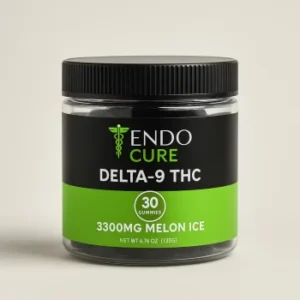
THC Gummies – Endo Cure Melon Ice 3300mg Delta 9 Gummies
$60.00Rated 3.60 out of 5 - THC Gummies Australia
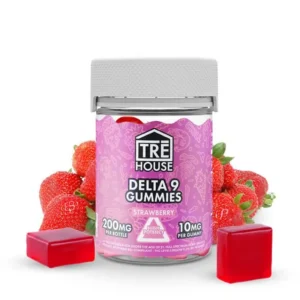
THC Gummies – Tre house Strawberry 200mg Delta 9 Gummies
$30.00Rated 4.27 out of 5 - THC Gummies Australia
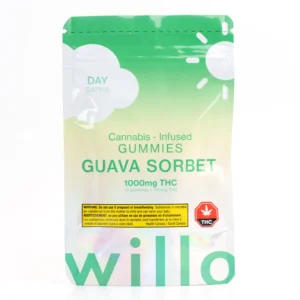
THC Gummies – Willo Guava Sorbet 1000mg Cannabis Gummies
$50.00Rated 3.89 out of 5
- THC Gummies Australia
THC Gummies Au – Jelly 6000mg Delta 8 THC Gummies Australia
$70.00Rated 4.27 out of 5 - THC Gummies Australia
THC Gummies Australia – FKEM Maui Orange 2000mg THC Gummies
$60.00Rated 4.14 out of 5
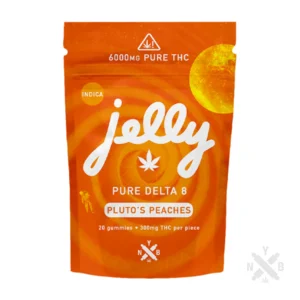
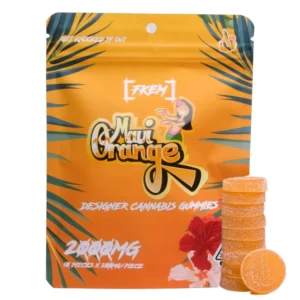
- THC Gummies Australia
THC Gummies Australia – Black Bunker 1000mg THCA Gummies
$50.00Rated 4.58 out of 5 - THC Gummies Australia
THC Gummies Australia – Muha Meds 3000mg Live Resin Gummies
$60.00Rated 4.07 out of 5 - THC Gummies Australia
THC Gummies Australia – Strawberry 3000mg Live Resin Gummies
$60.00Rated 3.60 out of 5

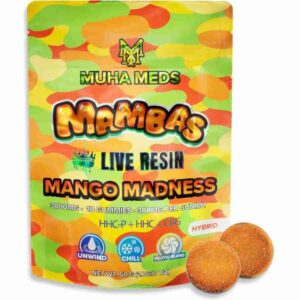
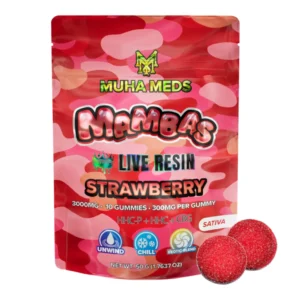
- THC Gummies Australia
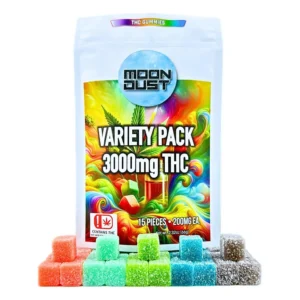
THC Gummies – Moondust 3000mg Variety Pack Cannabis Gummies
$60.00Rated 4.07 out of 5 - THC Gummies Australia
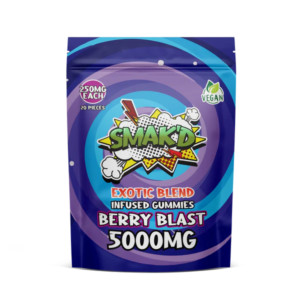
THC Gummies Australia – SMAK’D Berry Blast 5000mg THC Gummies
$70.00Rated 3.73 out of 5
- THC Gummies Australia
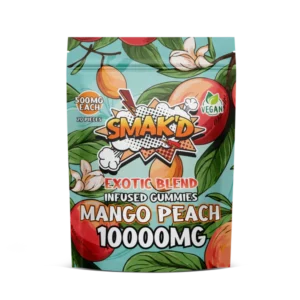
THC Gummies Australia – SMAK’D Mango Peach 10000mg Gummies
$80.00Rated 3.93 out of 5 - THC Gummies Australia
THC Gummies Australia – Fruit Punch 10000mg THC Gummies
$80.00Rated 3.87 out of 5 - THC Gummies Australia
THC Gummies Australia – SMAK’D Malibu Sunset 5000mg THC Gummies
$70.00Rated 3.93 out of 5


THC Gummies in Australia
THC gummies form part of Australia’s regulated medicinal cannabis framework. These oral products contain tetrahydrocannabinol and reach patients only through a valid prescription. A registered medical practitioner or nurse practitioner must first obtain TGA approval under the Special Access Scheme or Authorised Prescriber pathway. Pharmacies then dispense the gummies under Schedule 8 controls. Retail or online sales outside this system remain illegal.
Quality standards protect patients. Every batch must meet Therapeutic Goods Order 93 requirements for cannabinoid content, microbial limits and contaminants. Child-resistant packaging is mandatory. Storage at home should keep the product locked and out of children’s reach. Driving with detectable THC still attracts zero-tolerance rules in most states, even with a prescription. Patients therefore plan carefully around travel and work.
Access begins with a clinical consultation. The doctor assesses whether standard treatments have failed and whether THC gummies suit the patient’s needs. Costs include the consultation fee and the pharmacy price of the product. This information is educational only and does not constitute medical advice. Always speak with a qualified Australian practitioner and check the current TGA Medicinal Cannabis Hub for the latest guidance.
TGA Regulations & Legal Access Pathways in Australia
Australia’s Therapeutic Goods Administration maintains strict oversight of THC gummies. These medicinal cannabis products usually sit outside the Australian Register of Therapeutic Goods. The TGA classifies most as unapproved therapeutic goods. Only registered medical practitioners or nurse practitioners can seek access when other options prove unsuitable. Retail sales remain illegal. Patients cannot purchase THC gummies from shops or unregulated online sellers. The framework prioritises safety and quality control across the country. Current rules demand pharmacy dispensing under federal and state laws.
Legal pathways rely on the Special Access Scheme and the Authorised Prescriber scheme. Practitioners submit applications through the TGA online system for individual patients or defined patient groups. SAS Category B requires clinical justification for each case. Authorised Prescribers gain broader authority for ongoing use. Once approved, pharmacies dispense the THC gummies on prescription. Import and supply need Office of Drug Control permits. Products must meet manufacturing standards. These routes keep access tightly controlled and clinically driven.
Patients begin with a thorough medical review. Doctors explore registered treatments first. Approval from the TGA and sometimes state health departments follows. Supply occurs only through licensed pharmacies. The TGA regularly updates guidance on product categories and reporting. Sourcing THC gummies outside these pathways breaches the law. This content offers general information only and does not replace professional medical advice. Always consult a qualified practitioner and review the official TGA Medicinal Cannabis Hub for current details.
Schedule 8 (S8) Controlled Substance Classification
Australian federal law places THC gummies firmly in Schedule 8 of the Poisons Standard. These oral solids count as controlled drugs when prepared for human therapeutic use. The classification covers tetrahydrocannabinols extracted from cannabis. THC gummies therefore remain prescription-only medicines. They never qualify as recreational food products. The TGA treats most as unapproved therapeutic goods. This strict status demands medical oversight and pharmacy supply. Retail food sales stay completely off limits.
Schedule 8 status triggers extra controls across the country. Practitioners must hold TGA approval via the Special Access Scheme or Authorised Prescriber pathway before writing a script. Pharmacies store and dispense THC gummies under tight record-keeping rules. States add their own monitored-medicine requirements. Pure CBD products can sit in Schedule 4 if they meet the 98 percent threshold. Any meaningful THC content pushes the product into Schedule 8. The law draws a clear line between medicine and everyday food.
Patients access THC gummies only after a clinical assessment. Doctors must justify the need and secure the relevant approvals. Supply occurs solely through licensed pharmacies. Unauthorised possession or sale breaches both federal and state law. The Poisons Standard continues to evolve yet keeps therapeutic THC under Schedule 8. This information is general only and does not constitute medical or legal advice. Always check the current Poisons Standard and speak with a qualified health professional
The TGA Special Access Scheme (SAS-B) vs. Authorised Prescriber (AP) Pathway
Registered medical practitioners choose between two main TGA pathways for THC gummies. The Special Access Scheme Category B suits individual patients. The Authorised Prescriber pathway covers a defined class of patients. Both require the SAS and AP Online System. Practitioners first confirm no suitable ARTG-registered product exists. They then gather clinical details and patient information. Applications for THC gummies use generic cannabinoid categories based on THC and CBD content. Processing usually takes two to five business days once complete.
Under SAS-B the doctor logs into the online system and starts a new submission. They select the relevant medicinal cannabis category, dosage form and indication. Clinical justification must explain why approved options fall short. Patient details stay anonymous with a unique identifier. The TGA reviews the application and issues an approval letter. The letter goes to both the prescriber and the state health department where required. Only then can the pharmacy dispense the cannabis gummies. Nurse practitioners can also use this route.
The Authorised Prescriber pathway works differently. A medical practitioner applies once for authority over a class of patients and a specific product category. Some applications need Human Research Ethics Committee support or specialist college endorsement. Established history-of-use lists remove that step for certain categories. Once authorised the doctor prescribes THC gummies to eligible patients without fresh TGA approval each time. Six-monthly reporting remains mandatory. Both pathways keep access tightly controlled. This information is general only and does not replace professional advice. Check the TGA Medicinal Cannabis Hub for current forms and guidance.
Legal Dispensing via Registered Australian Pharmacies
Genuine medical THC gummies reach Australian patients only through registered pharmacies. Federal law treats these products as Schedule 8 controlled substances and unapproved therapeutic goods. Community pharmacies and compounding pharmacies hold the exclusive right to dispense them. Direct-to-consumer e-commerce carts sit outside the legal framework. Online stores that ship THC gummies without a valid prescription and TGA pathway break the rules. The TGA and state authorities enforce pharmacy-only supply to protect quality and patient safety. This keeps recreational-style sales firmly off the table.
A registered medical practitioner first secures TGA approval under the Special Access Scheme or Authorised Prescriber pathway. The doctor then writes a prescription that names the specific THC gummies category. The patient takes that script to a licensed pharmacy. The pharmacist verifies the TGA authority letter and state requirements before dispensing. Compounding pharmacies may prepare certain formulations on the same prescription. No legitimate supplier posts THC gummies into shopping carts or ships them across state lines without this chain of approval. Record-keeping and secure storage rules apply at every step.
Patients who try to order THC gummies from overseas websites or unregulated local sellers face seizure and potential penalties. Australian Border Force and the TGA monitor imports closely. Only products that travel through the approved medical pathway remain lawful. Pharmacies also provide counselling on dose, storage and driving rules. This controlled system supports safe clinical use while blocking open-market trade. The information here is general only and does not constitute medical or legal advice. Always consult a qualified practitioner and check the current TGA Medicinal Cannabis Hub for the latest requirements.
Legality of Importing THC Gummies from Overseas (Customs & Border Force)
Australian Border Force enforces a strict ban on ordering unregulated THC gummies from overseas websites. These products contain controlled substances listed under the Customs (Prohibited Imports) Regulations. The Personal Importation Scheme does not cover cannabis or tetrahydrocannabinols. Packages arriving by mail or courier without the correct permits face seizure. Individuals cannot obtain an Office of Drug Control import permit for personal use. Only licensed sponsors supply medicinal cannabis under approved TGA pathways. Ordering online from foreign sellers therefore remains unlawful.
Travellers who carry a limited three-month supply in their luggage may rely on the traveller’s exemption. They must hold a valid Australian prescription or doctor’s letter and keep the medicine in original packaging. Mail-order THC gummies fall outside this exemption. Australian Border Force screens incoming parcels and destroys prohibited goods. Patients who need medicinal cannabis should work with a registered practitioner through the Special Access Scheme or Authorised Prescriber pathway. Local pharmacies then dispense the product legally. This approach avoids border risks entirely.
Unauthorised imports can lead to loss of the goods, financial loss and possible further penalties. The TGA and Office of Drug Control publish clear guidance on lawful access. Always check official sources before attempting any import. This information is educational only and does not constitute legal advice. Speak with a qualified health professional and review the current TGA Medicinal Cannabis Hub and Office of Drug Control pages for the latest rules.


Australian Driving Laws & Workplace Compliance
Australian roadside drug testing remains largely zero-tolerance for THC. Police saliva tests detect the presence of tetrahydrocannabinol regardless of a valid prescription. Most states and territories still treat any detectable THC as an offence while driving. Drivers who take THC gummies risk immediate licence suspension and fines if they test positive. New South Wales has passed reform legislation that will introduce a registration scheme for eligible patients, yet the changes have not commenced. Until then the presence offence continues to apply across the country.
Workplace rules add another layer of compliance. Employers hold a duty of care under work health and safety laws. Many companies, especially those in transport, mining and heavy industry, enforce zero-tolerance drug policies. A positive THC test from medicinal cannabis can lead to stand-down or dismissal if the role involves safety risks. A prescription does not automatically protect a worker. Employees should disclose their use of THC gummies so employers can assess fitness for duty. Oral-fluid and urine tests detect presence rather than impairment.
Patients who rely on THC gummies must plan carefully around driving and work. Speak with the prescribing doctor about timing and residual effects. Check the current rules in your state or territory before getting behind the wheel. Workplace policies vary, so review your company’s drug and alcohol procedure. This information is educational only and does not constitute legal advice. Always confirm the latest requirements with Transport authorities and your employer.
Roadside Mobile Drug Testing (MDT) and Zero-Tolerance Rules
Roadside mobile drug testing operates across Australia with a strong focus on oral-fluid THC detection. Police use saliva tests that identify any presence of tetrahydrocannabinol. In New South Wales the current law still treats detectable THC as an offence, even with a valid prescription for THC gummies. Reforms passed in September 2026 will introduce a registration scheme for eligible unrestricted licence holders, yet those changes have not commenced. Drivers continue to face an immediate 24-hour ban if they test positive at the roadside.
Victoria, Queensland, Western Australia and South Australia maintain strict zero-tolerance rules. Victoria makes presence of THC an offence and a prescription offers no defence, although magistrates hold discretion over licence cancellation. Queensland enforces presence-based penalties under its transport legislation and will increase fines from December 2026. Western Australia and South Australia also prohibit driving with any detectable THC in oral fluid. Patients who use THC gummies therefore risk fines and licence suspension in these states regardless of medical authorisation.
Anyone prescribed THC gummies must understand that residual THC can remain detectable long after effects fade. Plan travel carefully and avoid driving if there is any chance of a positive test. Check the latest rules with your state transport authority before getting behind the wheel. This information is educational only and does not constitute legal advice. Always confirm current roadside testing requirements and speak with your prescribing doctor about safe timing.
Detection Windows: How Long THC Gummies Stay in Saliva and Blood
THC gummies follow a different pharmacokinetic path from inhaled cannabis. When you swallow a gummy the active compound travels through the digestive system and liver. This first-pass metabolism converts much of the THC into 11-hydroxy-THC before it reaches the bloodstream. Peak blood levels arrive later and sit lower than after smoking or vaping. Effects therefore build more slowly and last longer. Australian roadside tests focus on oral fluid, so these metabolic differences matter for detection windows.
Inhaled THC produces high initial concentrations in saliva through direct mouth contact. Levels then drop relatively quickly. Oral THC gummies leave less immediate residue yet generate metabolites that can remain detectable in oral fluid for many hours. Controlled studies show detection windows ranging from a few hours up to roughly 22 hours after a single oral dose, depending on the amount taken and individual factors. Frequent users generally face longer windows than occasional users. Blood detection follows a similar pattern of delayed and lower peaks.
No fixed timeframe applies to every person. Body mass, metabolism, dose strength and frequency of use all influence how long THC from gummies stays measurable. Patients who take prescribed THC gummies should allow ample time before driving or workplace testing. This information is educational only and does not constitute medical or legal advice. Always discuss timing and residual effects with your prescribing doctor and check current Australian roadside testing guidance.
Workplace Drug Testing (AS/NZS 4760:2019 Standards)
Australian workplaces follow AS/NZS 4760:2019 for oral-fluid drug testing. This standard sets the procedures for collecting and analysing saliva samples. It lowered the screening cut-off for THC to 15 ng/mL and the confirmatory laboratory level to 5 ng/mL. The standard targets recent use rather than historical exposure. Employers use these results within broader fitness-for-duty policies. A positive result for THC from medicinal gummies does not automatically equal impairment, yet it triggers further assessment.
Workers prescribed THC gummies must navigate both WHS duties and company policies. Employers hold a primary duty of care to manage risks so far as reasonably practicable. Safety-critical roles such as driving, operating machinery or working at heights often apply zero-tolerance approaches. A valid prescription does not override fitness-for-duty requirements. Employees should disclose their medication so the employer can conduct a risk assessment. Urine testing under related standards detects longer windows, while saliva better reflects recent intake.
Clear policies, consistent application and medical advice form the practical foundation. Workers and employers benefit from open discussion about timing of doses and residual effects. Testing must comply with the standard, include proper chain of custody and use NATA-accredited laboratories. This information is educational only and does not constitute legal or medical advice. Always review your workplace policy and consult a qualified practitioner or WHS specialist for personal guidance
Tasmania’s Prescription Exemption vs. Mainland Driving Laws
Tasmania stands alone with a statutory defence for prescribed medicinal cannabis. Under the Road Safety (Alcohol and Drugs) Act a driver does not commit the presence offence if the THC came from a product obtained and administered in accordance with the Poisons Act. This defence covers patients who use THC gummies lawfully prescribed and dispensed under Tasmanian rules. Driving while impaired remains an offence. Recent changes now allow many interstate prescriptions to be dispensed locally, potentially widening access to the defence.
Mainland states take a stricter approach. New South Wales, Victoria, Queensland, Western Australia and South Australia treat any detectable THC in oral fluid as an offence. A valid prescription for THC gummies offers no defence to the presence charge. Victoria gives magistrates discretion over licence cancellation in some cases, yet the offence itself still stands. NSW has passed reforms that will create a registration scheme, but those changes have not yet commenced. Patients therefore face fines and suspensions if they test positive.
Drivers prescribed THC gummies must understand these differences before travelling between jurisdictions. Tasmania’s defence is narrow and requires compliance with local prescribing and dispensing rules. Impairment offences apply everywhere. Always check the current law in the state where you drive. This information is educational only and does not constitute legal advice. Speak with your prescribing doctor and confirm requirements with the relevant transport authority.


Clinical Pharmacology, Digestion & Edible Bioavailability
THC gummies deliver cannabinoids through the digestive tract. Once swallowed the active compound reaches the liver before entering general circulation. This first-pass metabolism converts a substantial portion of delta-9-THC into 11-hydroxy-THC. The metabolite is more potent at CB1 receptors and crosses the blood-brain barrier readily. Oral bioavailability therefore sits lower than inhaled routes, typically ranging from four to twenty percent. Peak effects arrive later and last longer.
Inhaled THC bypasses the liver and produces rapid plasma peaks within minutes. Oral ingestion of THC gummies delays onset to between thirty and ninety minutes. Duration commonly extends from four to twelve hours. Fat content in the gummy formulation improves absorption because cannabinoids are highly lipophilic. Individual factors such as metabolism, recent food intake and body composition create further variability. Clinicians therefore emphasise careful titration when prescribing medicinal products.
Understanding these pharmacokinetic differences helps patients and prescribers manage expectations. The delayed and prolonged action of THC gummies suits certain symptom profiles yet raises the risk of dose stacking if effects feel slow to appear. This information is educational only and does not constitute medical advice. Always follow the guidance of a qualified Australian health practitioner and the product instructions supplied through the TGA pathways.
First-Pass Liver Metabolism (Delta-9-THC to 11-Hydroxy-THC)
When a person swallows THC gummies the active delta-9-THC travels first to the liver. There the enzyme CYP2C9 converts a large share of it into 11-hydroxy-THC. This metabolite binds strongly to CB1 receptors in the brain. It also crosses the blood-brain barrier more readily than the parent compound. The result is greater psychoactive potency from the same milligram dose. Oral products therefore feel stronger and last longer than inhaled forms.
Inhaled THC from vapes or flower reaches the bloodstream almost immediately. Very little first-pass conversion occurs. Plasma levels of 11-hydroxy-THC stay low. With THC gummies the liver produces substantial amounts of the metabolite before the drug circulates systemically. Onset stretches to thirty or ninety minutes. Effects commonly continue for four to twelve hours. This pharmacokinetic profile explains why patients often report a deeper and more sustained experience with oral products.
Prescribers and patients need to respect these differences. Starting low and waiting patiently remains essential advice. Re-dosing too early can lead to delayed over-intoxication. The science of first-pass metabolism underpins safe clinical use of medicinal THC gummies in Australia. This information is educational only and does not replace professional medical guidance. Always follow the directions of a registered practitioner and the TGA-approved access pathway.
Onset Dynamics and Delayed Absorption Rates
THC gummies enter the body through the digestive system. The gummy dissolves in the stomach and small intestine. Delta-9-THC then absorbs across the gut wall into the portal vein. From there it travels straight to the liver for first-pass metabolism. This sequence explains the delayed onset. Effects rarely appear before forty-five minutes and often take up to ninety minutes. Peak plasma levels commonly arrive between one and three hours after ingestion.
Several factors shape the exact timing. Stomach contents, especially fat, slow gastric emptying yet improve overall absorption. Individual differences in gut motility and liver enzyme activity add further variation. Once metabolised, 11-hydroxy-THC continues to circulate and prolongs the experience. Duration often stretches from four to twelve hours. Patients therefore feel a gradual build rather than the rapid spike of inhaled products. Careful timing becomes essential for clinical use.
Understanding these absorption dynamics helps avoid dose stacking. Waiting the full onset window before considering a second dose reduces the risk of delayed intensity. Prescribers in Australia routinely advise starting low and going slow with medicinal THC gummies. This information is educational only and does not constitute medical advice. Always follow the guidance of a registered health practitioner and the product instructions provided under TGA pathways.
Bioavailability, Lipid Carrier Oils, and Micro-Dosing
THC gummies rely on lipid carriers to improve absorption. Cannabinoids are highly fat-soluble. Medium-chain triglyceride oils, commonly called MCT oils, offer an efficient vehicle. These shorter-chain fats absorb rapidly through the gut wall and travel via the portal vein. Formulations that incorporate MCT carriers can therefore raise the amount of THC that reaches the bloodstream. Australian manufacturers often select MCT for this reason when preparing medicinal products.
Micro-dosing forms a practical clinical strategy. Many practitioners begin patients on 2.5 mg of THC. They then titrate slowly to 5 mg or 10 mg according to response and tolerance. The TGA guidance of “start low, go slow” underpins this approach. Lower doses reduce the risk of unwanted psychoactive effects while still providing symptom relief. Patients wait the full onset window before adjusting the next dose. This careful titration suits the delayed pharmacokinetics of oral THC gummies.
Combining an effective lipid carrier with precise micro-dosing supports safer use. The formulation helps deliver more consistent absorption. The dosing schedule keeps exposure modest and controllable. Patients and prescribers work together to find the minimum effective amount. This information is educational only and does not constitute medical advice. Always follow the directions of a registered Australian practitioner and the product supplied under TGA pathways.
THC vs. CBD Balanced Gummy Formulations (The Entourage Effect)
Balanced THC gummies combine delta-9-THC with cannabidiol in carefully chosen ratios. Common formulations use a 1:1 or 2:1 CBD-to-THC balance. CBD modulates how THC interacts with CB1 receptors in the brain. This interaction can soften psychoactive intensity. Patients often experience less anxiety or racing thoughts while still receiving the therapeutic benefits of THC. The combination supports the concept known as the entourage effect.
Research on products such as nabiximols shows that equal parts of CBD and THC can improve tolerability. CBD may reduce some of the unwanted side effects linked to THC alone. At the same time the pair can work together on pain pathways and inflammation. Australian clinicians frequently select these balanced THC gummies for patients who need systemic relief yet prefer a milder psychoactive profile. Individual responses still vary. Careful titration remains essential.
Prescribers match the ratio to the patient’s condition and sensitivity. A higher CBD proportion further dampens psychoactivity. Lower CBD allows more of THC’s characteristic effects. The science continues to evolve yet already guides practical choices in medicinal cannabis. This information is educational only and does not constitute medical advice. Always consult a registered Australian practitioner and follow the TGA-approved access pathway for any THC gummies.


Patient Eligibility, Consultations & Prescription Process
Patients begin by booking a consultation with a registered medical practitioner or nurse practitioner. The doctor reviews the medical history and current treatments. They decide whether an unapproved medicinal cannabis product such as THC gummies is clinically appropriate. All other suitable options on the Australian Register of Therapeutic Goods must be considered first. If the clinician supports access they prepare an application through the TGA’s Special Access Scheme or Authorised Prescriber pathway.
The prescriber submits the application online. They select the relevant cannabinoid category that matches the THC gummies. Clinical justification and patient details go into the system. Approval usually arrives within a few business days. Once the authority letter is issued the doctor writes a prescription. The patient then takes the script and the TGA letter to a licensed Australian pharmacy. The pharmacist dispenses the product under Schedule 8 rules.
Eligibility rests on clinical need rather than a fixed list of conditions. The process remains under medical control at every step. Patients cannot self-prescribe or order THC gummies online. Follow-up appointments allow the doctor to adjust dose or formulation. This information is educational only and does not constitute medical advice. Speak with a qualified health practitioner and check the current TGA Medicinal Cannabis Hub for the latest requirements
Qualifying Medical Conditions for Medicinal Cannabis
The TGA does not publish a fixed list of qualifying conditions for medicinal cannabis. Access rests on clinical judgement. A registered practitioner must first consider all suitable treatments already listed on the Australian Register of Therapeutic Goods. Medicinal cannabis, including THC gummies, is not regarded as first-line therapy for any indication. Doctors typically explore it only after standard second-line options have failed or proved unsuitable for the patient.
Chronic symptoms lasting longer than three months often form the practical starting point. Common areas of interest include certain types of persistent pain, chemotherapy-related nausea, spasticity linked to neurological conditions, and palliative care needs. The prescriber must supply clinical justification when applying through the Special Access Scheme or Authorised Prescriber pathway. Evidence supporting use for the specific symptom remains important. Each case is assessed individually.
Patients cannot self-select THC gummies for any condition. The decision stays with the treating doctor. Ongoing review ensures the product continues to offer benefit and remains appropriate. This information is educational only and does not constitute medical advice. Speak with a qualified Australian health practitioner and review the current TGA Medicinal Cannabis Hub for the latest guidance.
Telehealth Clinics vs. Traditional General Practitioners (GPs)
Australians seeking medicinal cannabis can start with their regular general practitioner. Many GPs now hold experience with the TGA pathways and can assess suitability for THC gummies. The doctor reviews the medical history, current treatments and clinical need. If appropriate they submit an application through the Special Access Scheme or become an Authorised Prescriber. Local knowledge of the patient’s full health record remains a clear advantage of the traditional route.
Specialised cannabis telehealth clinics offer another pathway. These services focus solely on medicinal cannabis consultations. Patients complete an online questionnaire and then speak with a registered practitioner by video call. The clinician evaluates eligibility and, where suitable, prepares the TGA application for THC gummies. Turnaround times are often rapid. The model suits people in regional areas or those who prefer a dedicated cannabis-focused assessment. Both options still require a valid Australian prescription and pharmacy dispensing.
Neither route guarantees access. The final decision rests on clinical judgement and TGA approval. Patients should prepare a clear symptom history and list of previous treatments. Follow-up care remains essential whichever path is chosen. This information is educational only and does not constitute medical advice. Speak with a qualified health practitioner and check the current TGA Medicinal Cannabis Hub for the latest requirements.
Cost Breakdown of Prescriptions, Consultations, and Pharmacy Products
Initial medical consultations for medicinal cannabis typically cost between fifty and one hundred and fifty dollars. Specialised telehealth clinics often charge around ninety-nine dollars for the first appointment. Follow-up reviews usually sit between thirty and eighty dollars. There is no separate TGA application fee charged to the patient. The prescriber handles the Special Access Scheme or Authorised Prescriber paperwork as part of the clinical service. These fees remain out-of-pocket because Medicare rarely covers the consult.
Pharmacy costs for THC gummies form the larger ongoing expense. A thirty-piece pack commonly ranges from one hundred to one hundred and fifty dollars. Monthly spend depends on daily dose and the specific formulation prescribed. Balanced or THC-dominant products generally fall between one hundred and three hundred dollars per month for most patients. Prices vary between pharmacies and brands. Patients can ask the doctor to recommend cost-conscious options within the approved category.
Total monthly outlay therefore combines the product cost with occasional review fees. No PBS subsidy currently applies to most medicinal cannabis products. Patients should budget carefully and discuss affordable formulations during the consultation. This information is educational only and does not constitute financial or medical advice. Always confirm current fees with the clinic and pharmacy and follow the guidance of a registered Australian practitioner.
Domestic Travel Rules (Flying Within Australia with Prescribed THC Gummies)
Patients may carry prescribed THC gummies on domestic Australian flights. Keep the product in its original pharmacy packaging with the dispensing label intact. Carry a copy of the prescription and any TGA authority letter. A short doctor’s note that confirms the medicine and dose is also helpful. Security screening focuses on aviation safety rather than drug enforcement. Having the paperwork ready resolves most questions quickly.
Place the medicine in carry-on luggage rather than checked bags. Temperature changes and lost luggage create unnecessary risks. Prescribed solid-dose products such as THC gummies face no special liquid restrictions. Airlines generally accept Schedule 8 medicines when documentation is in order. Still check the specific carrier’s policy before departure. Crossing state borders remains legal for personal quantities of prescribed medicine, yet destination rules on possession can differ.
Always confirm current requirements with the health department of the state or territory you plan to visit. Driving after taking THC gummies continues to attract zero-tolerance testing in most jurisdictions. This information is educational only and does not constitute legal advice. Speak with your prescribing doctor and review official state guidance before travel.


Quality Standards, TGO 93/TGO 110 Compliance & Safety
All medicinal cannabis products supplied in Australia must meet Therapeutic Goods Order 93. TGO 93 sets mandatory quality standards for both ingredients and finished goods. THC gummies fall under this order as oral solid-dose products. Sponsors and manufacturers cannot import or supply any product that fails the standard. The TGA enforces these rules across the entire supply chain. Non-compliant products risk fines and removal from the market.
TGO 93 requires accurate cannabinoid content. The average amount of each active ingredient must sit between ninety and one hundred and ten percent of the labelled claim for most dosage forms. Products must also stay free of synthetic cannabinoids, heavy metals, pesticides and microbial contaminants. Manufacturing sites need to follow recognised Good Manufacturing Practice standards. Clear labelling that identifies the active ingredients and strengths remains compulsory. These controls protect patients from substandard or contaminated medicine.
Patients and prescribers can trust that TGA-pathway THC gummies meet medical-grade safety requirements. The TGA continues random testing to verify ongoing compliance. Reporting any quality concerns helps maintain the system. This information is educational only and does not constitute medical advice. Always obtain medicinal cannabis through a registered practitioner and licensed pharmacy under the current TGA framework.
Therapeutic Goods Order 93 (TGO 93) & TGO 110 Standards
Therapeutic Goods Order 93 sets the federal quality standard for all medicinal cannabis products in Australia. THC gummies must comply with its rules on active ingredient content. The average amount of each cannabinoid must fall between ninety and one hundred and ten percent of the labelled claim for solid dosage forms. Products that miss this uniformity fail the standard. Sponsors carry full responsibility for meeting the order before any supply occurs.
TGO 93 also controls contaminants. Strict microbial limits apply to prevent bacterial or fungal growth. Heavy-metal thresholds keep lead, arsenic, cadmium and mercury below safe levels. Pesticide residues must stay within defined maximums. Synthetic cannabinoids are banned entirely. These requirements ensure every batch of medicinal THC gummies remains free from harmful impurities. Manufacturing sites must follow recognised Good Manufacturing Practice standards as well.
TGO 110 mainly governs therapeutic vaping goods and does not set the core standards for oral gummies. Patients therefore rely on TGO 93 for product safety and consistency. The TGA continues laboratory surveillance to verify ongoing compliance. This information is educational only and does not constitute medical advice. Always obtain THC gummies through a registered practitioner and licensed pharmacy under the current TGA pathways.
Distinguishing Legitimate Pharmacy Products from Black-Market "BM" Edibles
Legitimate THC gummies reach patients only through registered Australian pharmacies. These products travel under TGA Special Access Scheme or Authorised Prescriber approval. They arrive in original packaging with a dispensing label that shows the patient’s name, the active ingredients and the dose. Batch testing under TGO 93 confirms cannabinoid content and screens for contaminants. Patients therefore know exactly what they receive.
Black-market edibles sold on social media or unregulated websites lack these controls. They carry no pharmacy label and no certificate of analysis. Dosage accuracy is often unreliable. Contaminants such as heavy metals, pesticides or synthetic cannabinoids can appear. Possession or supply of these products sits outside the legal medicinal cannabis pathway and remains an offence. Consumers who buy them risk both health and legal consequences.
The safest route stays inside the regulated system. A doctor assesses clinical need, the TGA grants authority, and a licensed pharmacy dispenses the product. Anyone offered THC gummies without a valid prescription and pharmacy packaging should walk away. This information is educational only and does not constitute legal or medical advice. Always obtain medicinal cannabis through a registered practitioner and check the current TGA guidance.
Child-Resistant Packaging and Proper Medication Storage
Medicinal THC gummies arrive in child-resistant packaging as required by Therapeutic Goods Order 93. The closures slow a young child’s ability to open the container. They still need adult supervision and careful storage. Keep the product in its original pharmacy packaging with the dispensing label attached. This preserves the dose information and batch details. Never transfer the gummies into unmarked containers.
Store Schedule 8 medicines securely at home. Choose a locked cabinet or a high cupboard that children cannot reach. Follow the temperature instructions on the label. Most oral products remain stable at normal room temperature away from direct heat and sunlight. Avoid humid bathrooms and kitchens. Secure storage protects both the medicine’s quality and household safety. Check state rules if additional home-storage requirements apply.
Patients hold responsibility for keeping prescribed THC gummies out of the wrong hands. Return any unused or expired product to a pharmacy for safe disposal. This information is educational only and does not constitute medical or legal advice. Always follow the storage directions on the pharmacy label and the guidance of your prescribing doctor.
Managing Adverse Reactions and Micro-Dosing Safety Protocols
Australian clinicians follow a clear safety principle with medicinal cannabis. They advise patients to start low and go slow when beginning THC gummies. A typical first dose sits at 2.5 mg of THC or less. Patients wait the full onset window of forty-five to ninety minutes before considering any increase. This slow titration reduces the chance of accidental overconsumption and unwanted effects. Regular review with the prescribing doctor keeps the plan on track.
Common side effects include dry mouth, mild anxiety, dizziness or changes in appetite. These usually remain mild at low doses. If anxiety appears, a quiet environment and reassurance often help. Hydration eases dry mouth. Patients who experience stronger reactions should contact their doctor promptly. Severe or unexpected symptoms require medical attention. Keeping a simple symptom diary supports accurate dose adjustment at the next appointment.
Overconsumption remains possible because oral products take time to peak. Waiting patiently after each dose prevents stacking. Patients should never drive or operate machinery while effects are present. This information is educational only and does not constitute medical advice. Always follow the specific instructions of a registered Australian practitioner and the product label supplied under TGA pathways.


Frequently asked questions on THC Gummies in Australia
Are THC gummies legal in Australia?
THC gummies remain illegal for recreational use across Australia. No over-the-counter sales exist in shops or pharmacies. Any product containing meaningful amounts of tetrahydrocannabinol falls under Schedule 8 of the Poisons Standard. These are controlled drugs that require a valid prescription. Doctors access them only through the Special Access Scheme or Authorised Prescriber pathway. Unapproved THC edibles bought online or imported face seizure by Australian Border Force. Possession without authority can lead to criminal penalties.
Medicinal THC gummies are available solely under strict medical supervision. The prescribing doctor must demonstrate clinical need and obtain the necessary TGA approval. Pharmacies then dispense the product under tight controls. Even prescribed patients face zero-tolerance rules for driving in most states. Recreational or “wellness” THC gummies sold on overseas websites do not meet Australian standards and stay prohibited. Labels claiming legality for non-prescription use are misleading.
Australians seeking legitimate access must consult a registered doctor. Self-importation or street purchases carry legal and safety risks. This information serves educational and legal purposes only. It does not constitute medical or legal advice. References include the current Poisons Standard, TGA medicinal cannabis rules and Australian Border Force import controls as of 2026. Always verify the latest regulations with official government sources before considering any THC gummies
How do I get a prescription for medical THC gummies in Australia?
You begin by consulting a registered Australian doctor or a specialised telehealth clinic experienced with medicinal cannabis. Explain your symptoms and previous treatments clearly. The clinician assesses whether a THC-containing product is clinically appropriate. Most medical THC gummies are unapproved medicines, so the doctor must use an official pathway. Many patients now prefer telehealth services that handle the paperwork efficiently. The appointment focuses on genuine therapeutic need rather than simple preference. Honesty about your medical history helps the process.
Once the doctor agrees, they apply through the Special Access Scheme Category B or rely on Authorised Prescriber status. Under SAS-B the clinician submits an individual application to the Therapeutic Goods Administration with supporting clinical reasons. Authorised Prescribers hold broader approval for certain products and can prescribe more quickly. THC gummies fall under Schedule 8 controls, so extra state-based requirements may apply. Approval times vary but often finish within days for straightforward cases. The prescription then goes to a licensed pharmacy for dispensing.
Follow-up reviews check progress and allow dose adjustments. Unapproved products ordered online without this process remain illegal. This pathway exists strictly for medical purposes. Speak with a registered health professional for personal advice. The information here serves educational and legal purposes only and does not replace individual medical assessment. References include the current TGA medicinal cannabis hub, SAS and Authorised Prescriber guidelines, and the Poisons Standard as of 2026. Always confirm the latest requirements with your doctor before seeking THC gummies.
Can I drive in Australia if I have been prescribed THC gummies?
Most Australian states and territories apply zero-tolerance rules for THC. Roadside saliva tests such as DrugWipe detect any presence of the substance. A positive result leads to an immediate driving ban and possible charges. Holding a valid prescription for THC gummies does not provide a defence in the majority of jurisdictions. Driving while impaired remains a separate and more serious offence everywhere. Patients must assume that detectable THC equals a legal risk on the road.
Tasmania currently offers the clearest medical defence. Drivers there may avoid the presence offence if the THC came from a properly prescribed product and they show no impairment. Victoria gives magistrates discretion over licence cancellation in prescribed cases. New South Wales has passed reform legislation, yet the changes have not commenced as of late 2026. All other states and territories maintain strict presence-based offences. Detection windows vary and can last many hours after a dose of THC gummies.
The safest approach is to avoid driving whenever THC may remain in your system. Discuss timing and alternatives with your prescribing doctor. This information serves educational and legal purposes only. It does not constitute legal or medical advice. References include current state road transport laws, roadside testing guidance and medicinal cannabis driving rules as of October 2026. Always check the latest position with your local transport authority before driving after taking prescribed THC gummies.
Will medical THC gummies show up on a workplace drug test in Australia?
In Australia, THC gummies will show up on a standard workplace drug test. Both oral fluid and urine tests target tetrahydrocannabinol (THC) and one of its main metabolites. Most urine tests are governed by the Australian Standard AS/NZS 4308. A positive result occurs when sample levels exceed the cut-off concentration. THC that is ingested through gummies takes longer to clear through the body compared to inhaled THC. Employers will address a confirmed positive for THC the same way regardless if it is prescribed.
How long THC stays in your system depends on a number of factors. A recent study conducted on workers showed that, on average, oral fluid tests detected THC for up to 1.2 days after the last use, whereas urine tests showed THC for up to 4 days. Other factors include how much you weigh, how much you take and how often you take it. THC has a half life of 1 to 3 days, but, for some people, it can take more than 3 days for THC to fully clear your system. If your workplace requires you to take a non-negative test, a further analysis will be done. Your employer is not required to modify their drug and alcohol policy based on your prescription.
Current AS/NZS 4308 standard, oral fluid testing and workplace considerations for medicinal cannabis from 2026 were referenced for this information. It is recommended that you discuss the risks of workplace testing with your physician and your employer prior to using THC products. As your prescribed THC gummies are for medical use, you must disclose this to your employer. Failing to do so can result in disciplinary action. Information is provided solely to serve an educational and legal purpose. This information is not to replace medical or legal counseling.
Can you buy real THC gummies online in Australia without a prescription?
No legitimate Australian retailer sells real THC gummies online without a prescription. Any website offering them for direct purchase operates outside the law. Tetrahydrocannabinol products fall under Schedule 8 of the Poisons Standard. They require a valid doctor’s prescription obtained through the Special Access Scheme or Authorised Prescriber pathway. Non-prescription online stores are grey-market or illegal vendors. Australian Border Force routinely intercepts and seizes these parcels. Buyers risk losing the product and facing further penalties.
Overseas websites that ship “THC gummies” into Australia create additional problems. Most of these products lack proper quality testing and accurate labelling. Customs officers treat them as prohibited imports. Even small personal quantities without authorisation can be detained. Claims of legal loopholes or “hemp-derived” status do not apply to products containing meaningful THC. Local pharmacies only dispense prescribed medicinal cannabis under strict controls. No over-the-counter or open online market exists for genuine THC gummies.
The only legal route remains a consultation with a registered Australian doctor. Self-importing or buying from unregulated sites exposes people to legal and safety risks. This information serves educational and legal purposes only. It does not constitute legal advice. References include the current Poisons Standard, TGA medicinal cannabis access rules and Australian Border Force import controls as of 2026. Always verify the latest regulations through official government sources before considering any THC gummies.
What is the difference between hemp seed gummies and medical THC gummies in Australia?
Hemp seed gummies and medical THC gummies differ completely under Australian law. Hemp seed versions use oil from the seeds of industrial hemp. Food Standards Australia New Zealand allows them when THC stays at or below five milligrams per kilogram. These products contain virtually no active cannabinoids. Shops sell them freely as ordinary confectionery. They supply fibre and healthy fats but deliver no psychoactive or therapeutic THC effect. Medical THC gummies, by contrast, contain measurable tetrahydrocannabinol and require a prescription.
Medical THC gummies fall under Schedule 8 of the Poisons Standard. Doctors access them only through the Special Access Scheme or Authorised Prescriber pathway. Pharmacies dispense them under strict controls. These products are intended for specific clinical needs after conventional treatments prove unsuitable. Hemp seed gummies never face these requirements because they hold zero therapeutic cannabinoids. Consumers often confuse the two because both use the hemp plant name. Labels and laboratory certificates reveal the true difference every time.
Australians seeking actual THC effects must follow the medicinal pathway. Hemp seed chews remain available over the counter yet provide none of the same compounds. Always check the product’s regulatory status and test results. This information serves educational and legal purposes only. It does not replace advice from a registered health professional. References include current FSANZ hemp seed standards, the TGA Poisons Standard and medicinal cannabis access guidelines as of 2026. Choose products that match your intended purpose and stay within the law.
How much do medical THC gummies cost per month in Australia?
Medical THC gummies are not subsidised by the Pharmaceutical Benefits Scheme in Australia. Patients therefore meet the full private cost. Monthly product prices typically range from one hundred and fifty to four hundred dollars depending on strength and daily dose. Pharmacy dispensing fees add a further five to thirty dollars per script. These figures reflect current 2026 market rates for Schedule 8 medicinal cannabis products. Costs vary between pharmacies and brands.
Initial consultations through telehealth clinics usually cost between fifty and one hundred and fifty dollars. Follow-up appointments are often cheaper, ranging from thirty to eighty dollars. Some doctors may bulk-bill the consultation component under Medicare, yet the THC gummies themselves remain entirely out-of-pocket. First-month expenses commonly reach two hundred and fifty to four hundred and fifty dollars once product and fees combine. Ongoing monthly costs fall after the initial appointment.
Prices differ according to dose, formulation and supplier. Patients should compare options and discuss budget openly with their prescriber. No general PBS subsidy exists for THC gummies. This information serves educational and legal purposes only. It does not replace personalised medical or financial advice. References include current TGA medicinal cannabis guidance and 2026 clinic and pharmacy pricing data. Always confirm exact costs with your doctor and dispensing pharmacy before starting THC gummies.
What medical conditions qualify for a THC gummy prescription in Australia?
No straightforward set of conditions guarantees access to THC gummies in Australia. Doctors can prescribe THC gummies at their clinical judgment. The Therapeutic Goods Administration (TGA) requires a clear clinical rationale. Medicinal cannabis is usually considered after other treatments have been exhausted. Failure of other treatments can occur for various reasons. The prescriber is free to assess clinical need and determine clinical suitability. Some of the rationale for prescriptions has been chronic non-cancer pain, severe insomnia, anxiety disorders and chemotherapy-induced nausea and vomiting.
If a doctor wishes to prescribe THC gummies, there are two approved pathways: the Special Access Scheme Category B (SAS-B) and the Authorised Prescriber pathway. The prescribing doctor must justify their clinical decision based on the best available evidence. The guidance has been developed for chronic pain, and for chemotherapy-related nausea and vomiting, and other conditions. If there is no relevant guidance, a justification has to be made based on the available evidence. THC gummies always require individual justification.
Whether THC gummies are suitable always depends on a number of factors specific to the individual, which must be taken into account on a case-by-case basis. The information is provided for educational purposes. It is not intended to be medical advice. It does not guarantee prescription of THC gummies. References include current TGA Medicinal Cannabis guidance, SAS and Authorised Prescriber guidance and overarching clinical guidance, which was most recently updated in 2026.
What happens if ABF (Australian Border Force) seizes imported THC gummies?
Australian Border Force seizes imported THC gummies as prohibited goods under the Customs Act 1901. Officers intercept the parcel at the border and issue a formal seizure notice to the addressee. The notice explains that the goods are detained because they contain a border-controlled substance. Recipients usually have a short period to make a claim for return, yet claims for unauthorised THC products almost never succeed. The gummies are then forfeited and destroyed.
Importing THC without proper authority also risks criminal charges under the Commonwealth Criminal Code. Even small personal quantities can attract penalties of up to ten years imprisonment. Larger amounts move into marketable or commercial quantity offences with far higher maximums. In practice many first-time personal seizures result in forfeiture only, yet investigation and prosecution remain possible. Australian Border Force works with the Australian Federal Police on these matters.
Anyone who receives a seizure notice should seek independent legal advice promptly. Attempting to import THC gummies without a valid prescription and import approval is illegal. This information serves educational and legal purposes only. It does not constitute legal advice. References include the Customs Act 1901, the Criminal Code Act 1995 border-controlled drug provisions and current Australian Border Force practices as of 2026. The safest course is to obtain any medicinal cannabis through authorised Australian pathways only.
How long do THC gummies take to kick in, and how long do the effects last?
The digestive system breaks down THC gummies. Edible THC is metabolized in the liver where it converts delta-9-THC to 11-hydroxy-THC. The active metabolite is stronger and longer lasting than inhaled THC. Users notice the onset 45 to 90 minutes after they consume THC gummies. Factors that affect the rate of your metabolism and the amount of food in your stomach can affect the onset of THC.
Effects are reported to last for 6 to 8 hours. Intensity peaks at around 2 to 4 hours after consumption. Some users report residual effects that last longer than the peak. This is in contrast to the effects of smoking or vaporizing cannabis which wear off rapidly. THC gummies are not well suited for patients requiring fast acting medications. Although this information is based on scientific literature, it is important to discuss expected onset and duration of THC gummies with your doctor so you can safely use your medications.
Are THC gummies legal in the ACT (Canberra)?
THC gummies are not freely legal in the ACT. Adult residents may possess up to fifty grams of dried cannabis or grow a limited number of plants for personal use under territory law. These reforms do not create a legal market for commercial edibles. Buying, selling or possessing manufactured THC gummies still breaches both ACT and federal rules. The products remain controlled substances under the Therapeutic Goods Administration framework.
Federal law continues to regulate all medicinal cannabis products. Genuine medical THC gummies require a prescription through the Special Access Scheme or Authorised Prescriber pathway. Pharmacies dispense them under strict conditions. No over-the-counter or recreational retail sales of THC gummies exist in Canberra. Unauthorised online purchases risk seizure by Australian Border Force. Public consumption and supply to others stay prohibited even under ACT personal-use rules.
Patients who need THC for medical reasons must follow the national prescription process. Relying on the ACT’s limited personal cannabis provisions does not legalise processed gummies. This information serves educational and legal purposes only. It does not constitute legal advice. References include the ACT Drugs of Dependence Act, current personal cannabis possession limits and federal TGA medicinal cannabis rules as of 2026. Always check official ACT Government and TGA sources for the latest position before considering any THC gummies.
Can you fly domestically in Australia with prescribed medical THC gummies?
Yes, you can fly with prescribed medical THC gummies domestically in Australia. Be sure to keep the product in the pharmacy labeled container. You will want a copy of your prescription, or a letter from your doctor, to carry with you on the trip to confirm the product and the dosage. It is important that you carry the gummies on you, not in your checked luggage. Focus of airport security is on aviation safety, however they are allowed to ask to inspect your medicine. Bringing a clear letter of documentation will help answer any questions they may have.
Prescribed medicines are exempt from the liquid restrictions that other passengers must follow. Since the gummies will not create a volume issue, there are no special considerations for them. Make sure that the name on the label matches your ID. Some states may require a Schedule 8 record, so it may also be wise to carry your prescription or a copy of the authority to have the medicine with you when crossing state borders. Never remove the pharmacy label, or transfer the gummies to an unmarked container.
It is important to plan what you are bringing and only bring what is absolutely necessary. This information is for educational and legal purposes only. It does not replace personalized medical or travel advice. References include the TGA, domestic airport security, and medicinal cannabis travel recommendations for 2026. Confirm any state requirements with your doctor before flying with THC gummies.
