 Skip to content
- Gummies
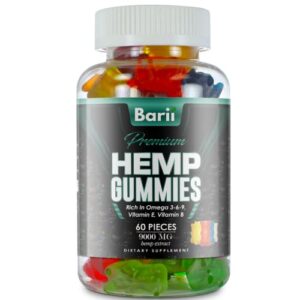
Hemp Gummies Australia – Bari 9000mg Premium Hemp Gummies
Rated 4.63 out of 5$80.00Original price was: $80.00.$70.00Current price is: $70.00.
What are Hemp Gummies and how do they work?
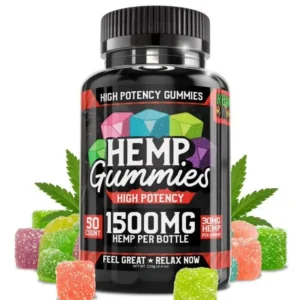
Hemp Gummies are chewable sweets made with hemp seed oil or hemp extract as a key ingredient. In Australia, most products available on the open market use cold-pressed hemp seed oil. This keeps them firmly in the food category rather than a medicine. The oil comes from the seeds of the industrial hemp plant and naturally contains omega-3 and omega-6 fatty acids, plant protein and fibre. Manufacturers mix the oil into a pectin-based gummy with natural flavours and colours. The result is a convenient, tasty way to take in those nutrients. Unlike cannabis products that contain higher levels of CBD or THC, compliant Hemp Gummies stay within strict Food Standards Code limits. They do not produce any psychoactive effects. Aussies often choose them as a simple daily snack that fits easily into busy routines.
Once you eat Hemp Gummies, your digestive system breaks them down just like any other food. The hemp seed oil releases its fatty acids and nutrients, which the body then absorbs through the gut. There is no special “activation” process or rapid effect. Benefits, if any, come from the steady nutritional contribution over time when used as part of a balanced diet. Quality matters a lot. Better Hemp Gummies clearly list the amount of hemp seed oil per serve and provide lab testing for purity. Always check the label and current Food Standards Australia New Zealand rules. These products are foods, not medicines or treatments. Individual results vary and they do not replace professional medical advice. If you have specific health questions, speak with a qualified healthcare professional before adding Hemp Gummies to your routine.
Australian Food Laws & FSANZ Regulations
Food Standards Australia New Zealand (FSANZ) strictly regulates low-THC hemp seed products under Standard 1.4.4 of the Australia New Zealand Food Standards Code. This legal framework mandates that any retail food item, including legal hemp seed-derived confectionery or protein bars, must exclusively source ingredients from non-viable hulled seeds. These source plants must maintain strict total delta-9-tetrahydrocannabinol limits, ensuring finished edible goods comply with strict maximum threshold caps of 5 mg/kg. Regulatory misinformation often blurs the line between industrial food items and medicinal treatments.
Unscrupulous online vendors frequently market illegal, high-potency THC gummies directly to Australian buyers under the deceptive guise of standard retail hemp snacks. Australian consumer protection agencies actively crack down on these unlawful cross-border imports. True compliant hemp food items cannot make therapeutic drug claims or advertise active medicinal cannabidiol content. Buyers must recognize that legitimate commercial hemp foods sold across Australian supermarkets provide nutritional plant omega fatty acids rather than psychoactive or medicinal effects.Navigating compliance requires understanding that the Therapeutic Goods Administration (TGA) regulates any cannabinoid product possessing pharmacological activity, separating it entirely from FSANZ grocery oversight.
State-based health departments and food authorities enforce these standards stringently to protect public health and prevent consumers from falling victim to misleading digital marketing. Independent laboratory audits verify that retail food matrices do not exceed legal trace boundaries, successfully neutralizing illicit loopholes exploited by overseas black-market suppliers. When purchasing plant-based nutrition, Australians should verify ingredient transparency, look for local batch testing, and ensure products strictly conform to domestic food codes rather than unverified online claims.
Are Hemp Gummies Legal in Australia? (FSANZ Standard 1.4.4 Guide)
Food Standards Australia New Zealand (FSANZ) strictly regulates low-THC hemp food products under Standard 1.4.4 of the Australia New Zealand Food Standards Code. This legal framework explicitly defines what low-THC hemp food products are legally permitted for retail sale across the country. Compliant items must derive exclusively from low-THC Cannabis sativa plants where the leaves and flowering heads contain no more than 1.0 percent THC. Furthermore, retail hemp seeds must be non-viable, meaning they cannot germinate, and they must be fully hulled with their outer protective coats removed. Finished food items like hemp protein bars, seed oils, or hemp gummies formulated from approved seed derivatives must maintain strict total delta-9-tetrahydrocannabinol caps, typically restricted to no more than 5 mg/kg.
Regulatory misinformation often confuses these ordinary nutritional grocery items with therapeutic or illicit psychoactive drugs. Unscrupulous offshore online vendors frequently exploit this confusion. They market illegal, high-potency THC edibles directly to Australian consumers under deceptive labeling. Australian food safety authorities and border protection agencies actively intercept these unlawful imports. Legitimate retail hemp food items cannot make therapeutic drug claims or advertise active medicinal cannabinoid content. Buyers must recognise that legal commercial hemp foods provide clean plant omega fatty acids rather than pharmacological or psychoactive effects.
Navigating compliance requires understanding that the Therapeutic Goods Administration (TGA) regulates any cannabinoid product possessing therapeutic activity, separating it entirely from FSANZ grocery oversight. State and territory health departments enforce these food standards stringently to safeguard public health and protect consumers from misleading digital advertising. Independent laboratory testing verifies that legal retail food matrices do not exceed strict trace boundaries, effectively neutralizing loopholes exploited by black-market suppliers. When purchasing plant-based nutrition online, Australians must check ingredient transparency, look for local batch testing certificates, and ensure products strictly conform to domestic food codes rather than unverified marketing claims.
Understanding Total THC Limits in Australian Hemp Foods
Food Standards Australia New Zealand (FSANZ) enforces strict legal thresholds for low-THC hemp foods under Standard 1.4.4 of the Australia New Zealand Food Standards Code. This regulatory standard defines total THC limits, which measure the combined amount of delta-9-tetrahydrocannabinol and its acidic precursor, delta-9-tetrahydrocannabinolic acid (THC-A). For retail food products like hemp seeds, hemp protein powder, and hemp gummies formulated from approved seed derivatives, the maximum total THC threshold is capped strictly at 5 mg/kg. Hemp seed oil features a slightly higher allowable threshold capped at 10 mg/kg due to the extraction process. These precise legal caps ensure that commercial food items remain completely non-psychoactive and safe for general public consumption.
Misinformed online vendors frequently attempt to sell high-potency THC edibles under the false label of standard hemp snacks. Australian food safety authorities actively monitor and intercept these illegal imports. Compliant manufacturers must utilize independent accredited laboratories to conduct batch testing, guaranteeing that finished food products never breach domestic chemical boundaries. Maintaining strict compliance requires commercial entities and online retailers to trace their supply chains back to certified low-THC Cannabis sativa cultivars where the parent plants contain no more than 1.0 percent THC in their leaves and flowering heads.
Retail hemp seeds utilized in manufacturing must also be thoroughly hulled and rendered non-viable to prevent germination. Unlike medicinal cannabis products managed under Therapeutic Goods Administration (TGA) frameworks, FSANZ-compliant hemp foods require no medical scripts because their cannabinoid profile is strictly negligible. State and territory health departments penalize businesses that market food items with exaggerated therapeutic claims or unlawful cannabinoid concentrations. By adhering to these rigorous legislative thresholds, Australian brands protect consumers from regulatory confusion while delivering safe, high-quality plant-based nutrition.
Why CBD Claims Are Banned on Australian Hemp Food Labels
Food Standards Australia New Zealand (FSANZ) enforces strict labeling rules that explicitly prohibit any nutrition content claim, health claim, or commercial reference regarding cannabidiol on retail food items. Under Standard 1.4.4 of the Australia New Zealand Food Standards Code, commercial hemp foods such as seed oils, protein powders, and hemp gummies cannot mention specific CBD concentrations, milligrams, or therapeutic attributes anywhere on their packaging or digital marketing. This strict regulatory boundary exists because high-CBD and medicinal cannabinoid extracts are legally classified as therapeutic goods rather than ordinary grocery items.
The Therapeutic Goods Administration (TGA) governs all substances possessing pharmacological or medicinal activity. Permitting commercial food brands to advertise CBD content would create dangerous regulatory confusion, blurring the critical line between everyday dietary foods and prescription-only medicines. Australian consumer protection laws actively penalize companies that attempt to bypass these guardrails by marketing standard pantry items as targeted wellness treatments or anxiety remedies. Consequently, compliant food manufacturers focus strictly on promoting nutritional benefits like plant-based omega fatty acids and clean dietary protein sources without invoking cannabinoid terminology. Maintaining compliance across Australian digital channels requires marketers and online retailers to separate retail grocery promotion from restricted therapeutic advertising.
Unregulated offshore brands frequently violate these legal frameworks by selling imported hemp gummies online while falsely claiming miraculous health cures or hidden CBD potency. Australian border protection and state health authorities intercept these illegal shipments and issue heavy financial penalties for unlawful therapeutic advertising. Shoppers and website owners must recognize that true compliant hemp food items serve purely as conventional nutritional groceries under FSANZ oversight. Any product claiming to treat medical ailments or highlighting active CBD levels falls under federal drug legislation and requires a formal doctor’s prescription. By upholding these strict marketing prohibitions, the Australian regulatory ecosystem protects everyday consumers from misleading wellness claims and ensures absolute product safety across the commercial food supply chain
Hemp vs. Medicinal Cannabis: Navigating Australia’s Dual Regulatory System
Understanding the profound legal divide between over-the-counter hemp foods and prescription-only cannabis is essential for every Australian consumer navigating plant-based products online. Food Standards Australia New Zealand (FSANZ) regulates low-THC hemp seed items under Standard 1.4.4 of the Food Standards Code, categorizing them strictly as conventional grocery foods. These retail goods—including hemp protein powders, seed oils, and legal hemp gummies—derive exclusively from approved low-THC Cannabis sativa cultivars where the parent plants contain minimal psychoactive properties. They require no medical supervision, doctor’s script, or pharmacy dispensation because their chemical profiles maintain negligible total delta-9-tetrahydrocannabinol limits capped strictly at 5 mg/kg or 10 mg/kg. Conversely, medicinal cannabis items carrying pharmacological or therapeutic activity fall under the absolute jurisdiction of the Therapeutic Goods Administration (TGA). These therapeutic goods require rigorous clinical evaluation, federal SAS or Authorised Prescriber approval, and a valid prescription dispensed exclusively through licensed Australian pharmacies.
Misleading online advertising frequently blurs these distinct boundaries, leading well-meaning shoppers to mistake ordinary grocery confectionery for targeted medical treatments. Unregulated international vendors often exploit this confusion by marketing illicit, high-potency THC gummies directly to Australian buyers under the deceptive disguise of standard health snacks. Australian border protection and state health authorities actively intercept these unlawful shipments, penalizing unauthorised imports of controlled substances. Consumers must recognise that true compliant hemp food items provide safe plant-based omega fatty acids and everyday nutrition rather than medicinal or psychoactive outcomes. Safeguarding personal health and maintaining legal compliance requires verifying ingredient transparency, demanding local batch-testing certificates, and respecting Australia’s dual regulatory framework that cleanly separates grocery food standards from restricted prescription medicine.

Ingredients, Nutrition & Extraction Science
Most decent Hemp Gummies you’ll find in Australia keep the ingredients pretty straightforward. The star is usually cold-pressed hemp seed oil. It brings a solid mix of omega-3 and omega-6 fatty acids plus a bit of plant protein and fibre. The gummy itself is typically made with pectin instead of gelatin, so plenty of options suit vegetarians. Natural flavours and plant-based colours are the norm these days. Better brands skip the artificial stuff and keep the list short and readable. Nutritionally, a serve gives you a handy top-up of those essential fats without any fuss.
The protein hit isn’t huge, but it still adds to your daily plant-based intake. A lot of Australian-made Hemp Gummies now push locally grown hemp seed, which many buyers prefer for freshness and clearer sourcing. How the oil gets extracted makes a real difference to the end product. Cold-pressing is still the go-to method for food-grade hemp seed oil because it skips high heat and chemical solvents. That gentler approach helps hang onto the oil’s natural nutrients and keeps the flavour mild. Some local producers also filter the oil a bit more to help it stay stable in our warmer climate.
Transparent brands will tell you about the pressing process and share the lab results afterwards. Independent testing checks the fatty acid levels and looks for any unwanted contaminants. It’s worth looking for that information on the pack or the company site. Remember, these Hemp Gummies are food products, not medicines. Always check the latest Food Standards Australia New Zealand rules and have a chat with a healthcare professional if you’ve got specific dietary needs. Knowing what’s inside and how it’s made helps you pick Hemp Gummies that actually deliver on quality
Hemp Seed Oil vs. CBD Oil: What’s Actually Inside Hemp Gummies?
Widespread market confusion surrounds Hemp Gummies. Many shoppers assume every pack delivers isolated cannabinoids. Standard commercial Hemp Gummies do not. They contain nutritious hemp seed oil pressed from the seeds of the industrial hemp plant. Seeds hold almost no cannabinoids. The oil supplies omega-3 and omega-6 fatty acids in a helpful ratio near three to one, plus vitamin E and trace minerals. CBD oil comes from flowers, leaves and stalks instead. Those aerial parts hold the cannabinoids. Hemp seed oil stays free of meaningful CBD or THC. Australian rules under FSANZ Standard 1.4.4 confirm this. Low-THC hemp seed foods have been legal here since late 2017. Total THC must stay at or below five milligrams per kilogram in seeds and ten in oil.
CBD cannot exceed seventy-five milligrams per kilogram. Labels cannot claim psychoactive effects or make CBD health claims. Shoppers who want true nutritional support reach for Hemp Gummies made with hemp seed oil. They avoid products that list vague “hemp extract” without clear milligram figures. Local growers in Tasmania and Western Australia produce seed oil with a distinctive nutty taste shaped by cool-climate soils. This profile often feels fresher than many imported options and slots neatly into everyday Aussie diets that already favour plant-based fats. Hemp Gummies deliver simple daily nutrition rather than endocannabinoid effects. The fatty acids support general wellness in the same way flax or olive oil does.
They suit people who already eat well and simply want a convenient top-up. CBD oil products sit under different Therapeutic Goods Administration rules and often need pharmacy or prescription pathways. True Hemp Gummies face no such barriers. They appear on supermarket shelves and health-food aisles across the country. Always read the ingredient list. Look for “hemp seed oil” or “Cannabis sativa seed oil.” Ignore flashy packaging that implies calm or relief without listing actual CBD milligrams and a certificate of analysis. Unique to the Australian market, many coastal and regional consumers pair these gummies with active outdoor routines. The steady fatty-acid support complements long days outdoors without any regulatory paperwork. Choose products that meet current FSANZ limits and come from transparent suppliers. This approach clears the confusion once and for all.
Nutritional Profile of Hemp Seed Derivatives: Omegas, Amino Acids & Protein
Cold-pressed hemp seed oil forms the nutritional core of many modern functional foods, including Hemp Gummies. The oil delivers a balanced mix of polyunsaturated fatty acids. Linoleic acid supplies roughly half the total fat content as an omega-6. Alpha-linolenic acid contributes about sixteen per cent as an omega-3. This creates a favourable three-to-one ratio that supports everyday cellular health. Gamma-linolenic acid appears in smaller amounts and adds further value. Vitamin E acts as a natural antioxidant within the oil. Australian Food Composition Database figures confirm these levels for products sold here. Hemp seed protein complements the oil. Hulled seeds provide around thirty per cent protein by weight.
The protein contains all essential amino acids. Arginine levels stand out as especially high. Digestibility scores remain strong once the hull is removed. Functional food makers blend the oil and protein into convenient formats such as Hemp Gummies. These products give Australians an easy way to lift daily omega and protein intake without changing core meals. Local growers in Tasmania and Western Australia produce seed with a slightly higher omega-3 edge thanks to cooler coastal soils. This regional trait rarely appears in generic overseas data. Hemp Gummies that feature cold-pressed seed oil and protein offer practical health support. The omega balance helps maintain healthy skin and joint comfort in active lifestyles.
The complete amino acid profile aids muscle recovery after bushwalks or beach sessions common across the country. Protein elements also contribute to steady energy between meals. Recent surveys of Australian hemp foods show consistent compliance with FSANZ limits on residual cannabinoids. This keeps the focus purely on nutrition. Consumers gain a plant-based option that fits vegetarian and flexitarian diets popular in cities and regional centres alike. Unique to the Australian context, many coastal producers now pair hemp protein with native ingredients such as wattleseed for added fibre synergy. This combination does not appear in international literature yet delivers a distinctly local flavour and nutrient boost. Shoppers should check labels for “cold-pressed hemp seed oil” and clear protein content. Choose products that list full amino acid or fatty acid profiles where available.
Are Hemp Gummies Vegan and Gluten-Free? Plant-Based Edibles Explained
Many modern Hemp Gummies meet vegan and gluten-free needs through careful formulation. Traditional gummies rely on gelatin from animal collagen. Plant-based versions replace it with pectin. Pectin comes from citrus peels or apple pomace. This switch creates a fully vegan product when the rest of the recipe stays animal-free. No beeswax coatings or honey appear in true plant-based formulas. Organic sweeteners such as cane sugar, tapioca syrup or monk fruit often feature instead of refined alternatives. These choices keep the flavour clean and support clean-label goals. Gluten stays absent because the base ingredients contain no wheat, barley or rye. Australian brands that use hemp seed oil frequently list pectin and confirm gluten-free status on packaging.
Shoppers in Australia can check labels for “pectin” and explicit vegan or gluten-free claims. Local producers also favour allergen-friendly recipes free from dairy, soy and nuts in many cases. This approach suits lifestyle-driven consumers who prioritise ethical and dietary alignment. A unique Australian edge appears in formulations that use locally sourced citrus pectin adapted for warmer coastal climates. These versions maintain firm texture longer under higher ambient temperatures than some imported pectin gels. Hemp Gummies that follow these standards deliver convenient plant-based nutrition. The pectin base produces a cleaner, shorter bite than elastic gelatin chews.
Organic sweeteners help control sugar load while preserving taste. Allergen-friendly formulas expand access for people managing multiple sensitivities. Always read the full ingredient list. Look for clear statements about pectin, the absence of gelatin and any third-party certifications. In Australia, products must still comply with FSANZ rules for low-THC hemp seed ingredients. This keeps the focus on nutrition rather than cannabinoids. Consumers gain a versatile edible that fits vegan, gluten-free and active lifestyles common across cities and regional areas. Unique to the local market, some coastal manufacturers now combine pectin with native fruit extracts for subtle flavour notes that travel well in hot weather without artificial stabilisers. Choose transparent brands that publish full ingredient details and testing results.
How Quality Hemp Seed Oil is Sourced and Cold-Pressed for Edibles
Quality hemp seed oil for edibles starts with carefully selected low-THC industrial hemp seeds. Growers harvest mature seeds from licensed crops that meet strict Australian standards. The seeds undergo cleaning and de-hulling to remove any residual plant material. Manufacturers then cold-press the seeds using mechanical force alone. No chemical solvents enter the process. Temperatures stay low, ideally below forty to fifty degrees Celsius, to protect heat-sensitive compounds. Friction can create local heat spikes, so advanced systems add cooling to keep oil temperatures controlled.
This clean extraction method preserves the full spectrum of polyunsaturated fatty acids. Omega-3 and omega-6 levels remain intact without thermal degradation. Vitamin E and natural antioxidants also stay higher than in heat-treated oils. Transparency matters throughout. Reputable producers publish batch details, source farms and test results for peroxide values and fatty acid profiles. Australian makers in regions such as Western Australia and Tasmania often source locally grown seed. These operations adapt cooling-assisted presses to manage warmer ambient conditions common in coastal production areas. The result is oil ready for functional foods.
This carefully handled oil forms the base of many Hemp Gummies. The preserved omegas deliver consistent nutritional value in every piece. Manufacturers blend the cold-pressed oil into pectin-based formulas under controlled conditions. They avoid further high-heat steps that could damage the fatty acids. Full transparency continues at this stage. Labels list cold-pressed hemp seed oil clearly and often include origin details. Australian consumers benefit from products that align with FSANZ requirements for low residual cannabinoids. Local producers sometimes use seed varieties selected for higher natural antioxidant content that suits the local climate. This practice supports longer shelf stability without extra additives. Shoppers gain reliable plant-based nutrition in convenient Hemp Gummies. Always check for statements about cold-pressing and third-party testing.
Health, Wellness & Lifestyle Benefits
Many Australians now turn to Hemp Gummies as a simple way to add plant-based nutrition to their day. These products usually deliver hemp seed oil packed with omega-3 and omega-6 fatty acids in a convenient chewable form. The balanced fatty acid profile supports general wellness when eaten as part of a varied diet. Hemp Gummies also offer a light source of plant protein and fibre without needing preparation. Busy people appreciate how easily they fit into morning routines or afternoon snacks. The mild, often naturally flavoured taste makes them more appealing than plain seeds or oils for some. Local options frequently use Australian-grown hemp and clean ingredients.
This aligns with the growing preference for transparent, minimally processed foods. Results vary between individuals, of course. Hemp Gummies work best as one small part of an overall healthy lifestyle rather than a stand-alone solution. Lifestyle-wise, Hemp Gummies suit the practical demands of Australian living. They travel well in gym bags, work desks or weekend esky packs. Active Aussies often choose them for post-workout convenience or as a mid-arvo pick-me-up that feels more substantial than lollies. The format encourages consistent daily habits without measuring spoons or mixing powders. Many pair them with water, fruit or yoghurt for a quick balanced bite.
Transparency remains important. Quality brands publish lab results so buyers know exactly what they consume. Always remember these are food products, not medicines. They do not replace professional medical advice or a balanced diet. Check current Food Standards Australia New Zealand guidelines and speak with a healthcare professional if you have specific health concerns. When chosen carefully, Hemp Gummies can support everyday wellness goals in a straightforward, enjoyable way.
Incorporating Omegas and Essential Fatty Acids With Hemp Edibles
Hemp seed inputs supply a reliable source of essential fatty acids that support balanced daily nutrition. Cold-pressed hemp seed oil delivers linoleic acid as the main omega-6 and alpha-linolenic acid as the key omega-3. The natural ratio sits close to three-to-one. This balance helps the body maintain healthy cell membranes. Hemp Gummies offer a convenient way to include these nutrients without adding extra cooking steps. Regular intake contributes to everyday wellness goals. Essential fatty acids play a recognised role in supporting skin barrier function. They also assist heart health markers when combined with an overall balanced diet.
Australians who spend time outdoors often face higher UV exposure. The omega profile in hemp seed oil pairs well with this lifestyle by helping maintain skin comfort. Local producers select seed varieties that retain strong fatty-acid levels under Australian growing conditions. This gives Hemp Gummies a consistent nutritional edge suited to regional diets that already include seafood and plant foods. Shoppers gain an easy plant-based option that fits busy routines. Incorporating Hemp Gummies into daily habits makes omega intake simple and measurable. Each serve provides a practical top-up of essential fatty acids that the body cannot produce on its own.
The nutrients support skin hydration and elasticity over time. They also contribute to cardiovascular wellbeing as part of a varied eating pattern. Australian consumers appreciate the clean, seed-derived source that aligns with FSANZ standards for low-THC hemp foods. Unique to local use, many coastal and regional users pair these gummies with outdoor activity schedules. The steady fatty-acid supply complements active days spent in stronger sunlight without requiring large servings of oil. Choose products that clearly list cold-pressed hemp seed oil and provide fatty-acid details. This approach keeps the focus on transparent, functional nutrition.
Do Hemp Gummies Help with Relaxation and Everyday Stress?
Standard commercial Hemp Gummies deliver nutritional support rather than medicinal effects. They contain cold-pressed hemp seed oil rich in essential fatty acids. These nutrients contribute to everyday structural wellness. They help maintain balanced daily nutrition that supports general skin and heart health. They do not contain isolated cannabinoids in meaningful amounts. Australian regulations under FSANZ make this distinction clear. Food products cannot claim psychoactive benefits or suggest stress relief as a therapeutic action. Hemp Gummies therefore function as a convenient plant-based food format.
They supply omegas that the body uses for routine cellular needs. Realistic expectations matter for customers. These gummies support overall wellbeing as part of a varied diet and healthy lifestyle. They do not replace evidence-based approaches for managing everyday stress. Local Australian brands focus on clean ingredients and transparent labelling to match this food status. Shoppers gain a simple way to include seed-derived fatty acids without expecting pharmaceutical outcomes.
Clear differentiation protects consumer trust and regulatory compliance. Medicinal products sit under TGA oversight and follow different pathways. Hemp Gummies remain foods that provide structural nutritional support only. Australians who choose them often pair the habit with outdoor activity, sleep routines or balanced meals. The unique local context shows many users treat them as a daily nutrition top-up rather than a calming agent. This approach aligns with FSANZ rules that prohibit health claims about CBD or psychoactive effects on food labels. Always read the ingredient list carefully. Look for cold-pressed hemp seed oil and avoid products that imply relaxation benefits beyond general nutrition.
Superfood Trends: Why Hemp is Taking Over the Australian Health Food Market
Hemp rises as a leading plant-based superfood across Australian health food shelves. Consumers seek sustainable options that deliver complete protein and essential fatty acids. Hemp seeds and cold-pressed oil meet this demand with strong nutritional density. Major retailers including Coles and Woolworths now stock a growing range of hemp products. This visibility drives mainstream acceptance. The crop grows well in every Australian state and territory. It supports soil health and requires fewer inputs than many traditional crops. Local producers supply seeds and oils that align with clean-label preferences. Hemp Gummies emerge as a convenient format within this trend.
They package the same seed-derived nutrients into an easy daily serve. Australians value the combination of plant protein, omegas and simple ingredients. The category benefits from clear FSANZ rules that keep products focused on food nutrition. Interest continues to expand as shoppers prioritise local, sustainable sources over imported alternatives. Hemp fits the broader shift toward functional plant foods that support everyday wellness. Its short growing cycle and versatility appeal to both farmers and manufacturers. Brands develop snacks, protein powders and Hemp Gummies that suit busy lifestyles.
These products remain free of medicinal claims and stay within food regulations. Unique to the Australian market, some regional growers now integrate hemp into rotational systems that improve soil structure in variable climates. This practice strengthens local supply chains and reduces reliance on overseas seed. Consumers gain access to fresh, traceable ingredients that match national preferences for transparent, plant-based nutrition. The result is steady growth in the health food aisle. Shoppers who choose Hemp Gummies and related products support both personal nutrition goals and a more sustainable domestic industry.
The Endocannabinoid System (ECS) and Dietary Hemp: Fact vs. Fiction
The human endocannabinoid system maintains balance through lipid signals. Endocannabinoids form from membrane polyunsaturated fatty acids. Arachidonic acid yields anandamide and 2-arachidonoylglycerol. These bind CB1 and CB2 receptors. Dietary plant lipids reshape membrane composition. Hemp seeds supply linoleic acid, alpha-linolenic acid and gamma-linolenic acid in a near 3:1 omega-6 to omega-3 ratio. This ratio supports balanced endocannabinoid tone. Enzymes convert these fatty acids into signalling molecules. Magnesium, zinc and vitamin E in hemp protect the lipids from oxidation. Beta-caryophyllene in hemp acts as a CB2 agonist. Full-spectrum hemp oils further modulate specialised pro-resolving mediators. Australians following typical Western diets often face omega-6 excess.
Hemp lipids help restore equilibrium without excess arachidonic acid drive. Recent studies confirm hemp seed intake raises anti-inflammatory omega-3 ethanolamides in tissues. Hemp Gummies that contain only seed-derived nutrients deliver these lipids in convenient form. They support everyday ECS function through ordinary nutrition rather than pharmacology. Fiction claims Hemp Gummies flood receptors like THC. Fact shows seed-based versions act only through lipid precursors and mild phytochemicals. In Australia Food Standards permit low-THC hemp seed foods since 2017. CBD remains restricted outside prescription pathways. Hemp Gummies made from hulled seeds stay legal as food when they meet the five milligram per kilogram THC limit. Unique Australian insight emerges from seasonal UV exposure.
Higher summer sunlight elevates oxidative stress on membrane lipids. Local hemp seed nutrients rich in vitamin E and balanced PUFAs offer targeted protection that matches this climate pattern. No other common seed provides the same gamma-linolenic acid plus protein arginine combination for nitric oxide and ECS cross-talk. Consumers choose Hemp Gummies for practical daily intake of these nutrients. Evidence remains observational for whole foods. This article does not constitute medical advice. Consult a health professional before dietary changes. References include peer-reviewed reviews in International Journal of Molecular Sciences 2021 and Frontiers in Immunology 2022 on hemp seed modulation of the endocannabinoidome.
Safety, Drug Testing & Transparency
Safety sits at the top of the list when Australians choose Hemp Gummies. Quality products come with recent third-party lab reports that screen for heavy metals, pesticides, solvents and microbes. These tests matter because low-grade imports sometimes skip full contaminant checks. Look for Hemp Gummies that clearly state the hemp seed oil or extract amount per serve. Most compliant products stay well under Food Standards Code limits for THC. This keeps residual cannabinoid levels extremely low. Transparency starts with easy access to the certificate of analysis for every batch. Reputable brands publish these reports online or on the pack. Avoid products that hide test results or make vague purity claims. Always store Hemp Gummies as directed and stick to the suggested serve size. These simple steps help reduce unnecessary risk.
Drug testing remains a real concern for many Aussie workers and athletes. Even low-THC Hemp Gummies can raise questions if the product lacks proper documentation. Transparent brands provide batch-specific results showing non-detectable or trace THC only. This information supports informed decisions before workplace or sports testing. Local suppliers who test in Australian laboratories often give clearer peace of mind than unverified imports. Market feedback shows buyers increasingly reject Hemp Gummies without full lab transparency. Check the latest Therapeutic Goods Administration and Food Standards Australia New Zealand guidance before purchasing. These products are foods, not medicines. Individual responses and testing methods can vary. When in doubt, speak with a healthcare professional or your workplace testing provider. Clear labelling and independent results remain the best protection for safety and confidence.
Will Eating Hemp Gummies Cause You to Fail an Australian Workplace Drug Test?
Legal low-THC hemp seed foods stay well below Australian drug-testing thresholds. Food Standards Australia New Zealand sets a maximum of five milligrams of total THC per kilogram in hulled seeds and ten milligrams per kilogram in hemp seed oil. Hemp Gummies made only from these compliant ingredients deliver only trace amounts. Roadside oral-fluid screening follows AS/NZS 4760:2019. The screening cut-off for THC sits at fifteen nanograms per millilitre. Workplace urine testing follows AS/NZS 4308:2023 with a cannabis-metabolite screen cut-off of fifty micrograms per litre. Queensland Health and FSANZ risk assessments confirm that normal daily intake of legal hemp foods never reaches these levels.
Studies show even several servings produce concentrations far under confirmatory laboratory limits. Australians who eat Hemp Gummies therefore face no realistic risk of a positive roadside or standard workplace result. The minute THC present simply does not register on current devices. Fiction still circulates that any hemp product will trigger a fail. Fact shows the opposite for products that meet the Food Standards Code. Excessive volumes of hemp seed oil could theoretically appear in blood under zero-tolerance policies used by some mining or elite-sport programs. Standard oral-fluid and urine panels remain unaffected. Unique Australian insight arises from the country’s high proportion of FIFO and shift-work sites.
These workplaces often schedule random saliva tests within hours of a meal break. Because legal Hemp Gummies contain negligible parent THC, the short detection window of oral fluid never captures dietary residue. Workers can therefore consume them without concern. Always choose products clearly labelled as low-THC hemp seed foods. This article does not replace professional or legal advice. Check your workplace policy and consult a doctor if needed. Sources include Queensland Health guidance on low-THC hemp foods, FSANZ Standard 1.4.4, and AS/NZS 4760:2019 and 4308:2023 cut-off data.
How to Read Certificate of Analysis (COA) and Batch Testing Reports
A Certificate of Analysis confirms what a laboratory measures in one specific batch. Start with the header. Match the batch or lot number on your Hemp Gummies pack to the number on the COA. Check the test date stays recent. Prefer an independent lab accredited to ISO/IEC 17025. Next examine the heavy-metal panel. Look for lead, arsenic, cadmium and mercury. Results should read ND or sit below the action limit. Australian TGA compositional guidelines for hemp seed oil set each metal at or under 0.1 mg/kg. FSANZ food rules expect the same safe levels for seed-derived products. Then scan the pesticide section. Every listed compound must show ND or a value under the maximum residue limit.
Hemp plants absorb residues from soil, so a full panel protects buyers. Finally review microbial results. Pathogens such as E. coli and Salmonella must be absent. Total yeast, mould and aerobic counts stay low. These three panels together verify safety for everyday Hemp Gummies. Australian importers face five-percent surveillance testing by the Department of Agriculture. A COA that already passes heavy metals, pesticides and microbes reduces the chance of border holds.
Unique local insight notes that Australian-grown hemp often shows lower cadmium because many inland soils remain low in that metal compared with some overseas sources. Always demand the full report rather than a summary. If any panel is missing or fails, choose another brand. Hemp Gummies sold as food must also meet the five-milligram-per-kilogram total THC limit under Standard 1.4.4. This article offers general guidance only. It does not replace professional advice. Check current FSANZ and TGA documents for the latest limits. Sources include TGA Hemp Seed Oil compositional guideline, FSANZ Standard 1.4.4 and standard ISO 17025 laboratory practice.
Potential Allergens and Digestion Considerations with Hemp Edibles
Hemp Gummies rely on carrier ingredients that most people tolerate well. Many brands use plant-based pectin instead of gelatin. Pectin comes from citrus or apple peel and sets the soft texture. Natural fruit juices such as pineapple, berry or citrus supply flavour and colour. These juices also bring mild acidity from citric acid. Hemp seed oil itself remains low in common allergens. It contains no gluten, dairy, soy or tree nuts. Australian Food Standards require clear bold allergen declarations when any of the twelve major allergens appear.
Most Hemp Gummies therefore list only the fruit sources if relevant. Sensitive stomachs may notice mild bloating from the fibre in hemp seed solids or from sugar alcohols used in some low-sugar versions. Start with one gummy and increase slowly. This approach lets the gut adapt to the omega-rich fats and any residual seed fibre. Digestion stays comfortable for the majority of Australian consumers when intake stays moderate. High doses of hemp seed oil can loosen stools in people unaccustomed to polyunsaturated fats. Fruit-juice carriers rarely cause issues unless an individual already reacts to that specific fruit.
Unique local observation notes that many Australians with mild lactose intolerance switch successfully to hemp-based edibles because the products contain zero dairy protein. Cross-reactivity with pollen is uncommon yet possible in highly atopic individuals during spring. Always read the full ingredient list and allergen summary statement required under the Food Standards Code. This article provides general information only. It does not replace personal medical advice. Consult a doctor or dietitian if you have known food sensitivities or digestive conditions. Sources include FSANZ allergen labelling standards and published guidance on hemp seed food safety
Shelf Life and Storage: How to Keep Hemp Gummies Fresh and Potent
Hemp Gummies keep their best texture and flavour when stored correctly. Place the sealed container in a cool, dark pantry. Ideal temperatures sit between fifteen and twenty-one degrees Celsius. Keep the pack away from the stove, oven or any heat source. Direct sunlight accelerates oxidation of the hemp seed oil inside. Heat softens pectin bases and causes pieces to stick together. Australian summers often push indoor temperatures higher, so choose an internal cupboard rather than a window ledge. Always reseal the pack tightly after each use.
This limits moisture and air exposure that dull natural fruit flavours. Check the best-before date printed on the label and use the product within that window for peak quality. Avoid leaving Hemp Gummies in a hot car or near windows during peak summer months. Extreme heat damages both texture and the delicate polyunsaturated fats that give the oil its nutritional profile. If your kitchen runs warm, a short period in the refrigerator helps, but return the pack to room temperature before opening to prevent condensation.
Unique Australian insight notes that homes in northern regions experience greater seasonal temperature swings than southern states. In those climates a consistent cool pantry shelf preserves flavour better than frequent fridge transfers. This article offers general storage advice only. Always follow the specific instructions on your product pack. Sources include practical guidance from Australian hemp food producers and standard food-storage principles for oil-rich edibles under the Food Standards Code
Buyer’s Guides, Sourcing & Market Reviews
When you’re shopping for Hemp Gummies in Australia, a bit of homework goes a long way. Look first for a recent certificate of analysis from an independent lab. It should clearly show the hemp extract or seed oil content plus checks for heavy metals, pesticides and solvents. Decent Hemp Gummies list the milligrams per serve right on the pack. Prefer pectin-based ones with natural flavours and no bright artificial colours. Australian-made options usually offer better traceability than cheap imports. Expect to pay around $1.50 to $4.50 per serve for products that actually deliver. Steer clear of anything making big health claims without proper approval.
Stick to items that meet Food Standards Code limits. Recent buyer feedback often mentions consistent taste and texture as the real markers of quality. Check return policies and local shipping times before you click buy. Sourcing has tightened up in 2026, with more shoppers favouring transparent Australian supply chains. Brands that process hemp seed oil locally tend to earn stronger reviews for reliability. Online specialist stores and selected health food shops stock the better Hemp Gummies these days. Watch out for deep discounts that skip proper lab testing. Imports still carry risks, so favour sellers who can show clear Australian compliance documents.
Some regional buyers notice that locally formulated Hemp Gummies hold up better in our warmer climate. Always double-check the latest Therapeutic Goods Administration and Food Standards Australia New Zealand rules. These remain food products, not medicines. Taking a few extra minutes to source carefully usually means you end up with Hemp Gummies that actually match the label and taste the way they should.
How to Choose High-Quality Hemp Food Products Online in Australia
Choosing quality Hemp Gummies online starts with a clear checklist. First look for Australian-grown hemp. Country-of-origin labelling must state “Grown in Australia” or show a high percentage of Australian ingredients under the kangaroo logo rules. Locally grown seed reduces transport time and supports domestic farmers. Next examine the label closely. It must list only permitted low-THC hemp seed ingredients. No images of cannabis leaves appear. No nutrition or health claims about CBD are allowed under the Food Standards Code.
The nutrition information panel stays complete and accurate. Supplier name and Australian address sit clearly on the pack. Batch numbers link to available Certificates of Analysis that confirm heavy metals, pesticides and microbial safety. Transparent manufacturers publish these reports or supply them on request. Prefer brands that disclose the manufacturing process and farm source. Australian producers often cold-press oil onshore and bottle in dark packaging to protect the delicate fats. Unique local insight notes that Tasmania and Western Australian growing regions currently supply a rising share of seed used in domestic Hemp Gummies.
These shorter supply chains help preserve natural flavour better than long-haul imports. Always compare the best-before date and storage advice before you buy. This article offers practical buying guidance only. It does not constitute medical or legal advice. Verify current FSANZ requirements and product details yourself. Sources include FSANZ Standard 1.4.4 on low-THC hemp foods, country-of-origin labelling rules and published market surveys of hemp seed products.
Australian-Grown Hemp vs. Imported Hemp Products: Quality Comparison
Choosing quality Hemp Gummies online starts with a clear checklist. First look for Australian-grown hemp. Country-of-origin labelling must state “Grown in Australia” or show a high percentage of Australian ingredients under the kangaroo logo rules. Locally grown seed reduces transport time and supports domestic farmers. Next examine the label closely. It must list only permitted low-THC hemp seed ingredients. No images of cannabis leaves appear. No nutrition or health claims about CBD are allowed under the Food Standards Code.
The nutrition information panel stays complete and accurate. Supplier name and Australian address sit clearly on the pack. Batch numbers link to available Certificates of Analysis that confirm heavy metals, pesticides and microbial safety. Transparent manufacturers publish these reports or supply them on request. Prefer brands that disclose the manufacturing process and farm source. Australian producers often cold-press oil onshore and bottle in dark packaging to protect the delicate fats. Unique local insight notes that Tasmania and Western Australian growing regions currently supply a rising share of seed used in domestic Hemp Gummies.
These shorter supply chains help preserve natural flavour better than long-haul imports. Always compare the best-before date and storage advice before you buy. This article offers practical buying guidance only. It does not constitute medical or legal advice. Verify current FSANZ requirements and product details yourself. Sources include FSANZ Standard 1.4.4 on low-THC hemp foods, country-of-origin labelling rules and published market surveys of hemp seed products.
Cost vs. Value: What Should Quality Hemp Gummies Cost in Australia?
Quality Hemp Gummies in Australia command a fair price-per-serving that reflects real production economics rather than rock-bottom imports. A typical bottle of 30 to 60 servings now sits between $60 and $210 depending on extract strength and origin. Break that down and the cost per serving lands around $1.50 to $4.50 for products carrying meaningful hemp extract or seed oil. Organic certification drives a clear slice of that figure. Australian Certified Organic or equivalent schemes charge application fees near $695 plus audit costs of roughly $1,500 and ongoing annual fees of $1,000 to $2,000 for processors. Those expenses cover soil tests, residue checks and label approvals. Local manufacturing also absorbs higher labour, cold-chain logistics and GST.
Cheap overseas Hemp Gummies often skip these steps and arrive with inflated potency claims or undetected contaminants. Independent batch testing alone adds $150 to $300 per run. Australians who calculate true value look past the sticker price and divide total cost by verified milligrams or servings. Products under $1 per serving frequently signal diluted extract or missing certificates of analysis. Paying the mid-to-premium range supports traceable supply chains and reduces the risk of low-grade material that fails Australian food or therapeutic standards. Avoiding low-grade imports remains essential for anyone seeking reliable Hemp Gummies. Many budget options originate from high-volume overseas suppliers that prioritise volume over consistent cannabinoid profiles or heavy-metal screening. Australian border rules and Food Standards Code limits on THC and CBD in hemp seed foods exist for a reason. Products that clear those limits yet lack third-party lab reports still carry quality gaps.
Local or properly sponsored brands absorb the cost of organic inputs, GMP-aligned facilities and regular testing. That investment shows up in the final price-per-serving yet delivers measurable purity. Shoppers gain confidence by demanding current certificates of analysis that list both potency and contaminants. Unique Australian factors such as freight from regional growers, state-based industrial hemp licensing and the limited number of TGA-compliant pathways further shape costs. These realities mean quality Hemp Gummies rarely match supermarket snack pricing. Consumers who treat the purchase as a daily wellness input rather than a bargain find better long-term value in verified products. Always consult a healthcare professional before use and confirm any product complies with current Therapeutic Goods Administration and Food Standards Australia New Zealand requirements. Prices and regulations continue to evolve with supply-chain conditions.
Top Trends in Australian Functional Foods and Hemp Edibles for 2026
Aussie functional foods are leaning hard into native flavours right now, and Hemp Gummies sit at the centre of the action. Producers pair lemon myrtle’s sharp citrus-eucalyptus hit with hemp seed oil to create clean, uplifting Hemp Gummies that taste distinctly local. Finger lime brings those bright, popping bursts that cut through hemp’s mild nuttiness. The result is Hemp Gummies that deliver plant protein and healthy fats without tasting foreign. Shoppers want products that feel Australian from the first chew. Local low-THC hemp meets Food Standards Code rules while native botanicals add antioxidants and real flavour depth. Brands keep labels clean and sourcing transparent.
This approach supports regional growers and Indigenous knowledge. Expect more Hemp Gummies featuring Kakadu plum or wattleseed accents as the year rolls on. These combinations give everyday snacks genuine functional appeal that resonates with Australian consumers. Looking ahead, makers refine Hemp Gummies for daily routines rather than one-off novelty. They focus on stable texture and natural colour drawn from native extracts. Lemon myrtle and finger lime cut the need for artificial flavourings. This matches the growing demand for anti-inflammatory and gut-friendly options in the functional snacks aisle. Australian hemp protein and oil form a solid base that works well with these botanicals.
Some regional trials now test micro-dosed native blends inside pectin-based Hemp Gummies for better mouthfeel in warmer climates. Retailers notice stronger repeat sales when products highlight true Australian origin. The category moves beyond basic fruit flavours into sophisticated native profiles. Always check current Therapeutic Goods Administration and Food Standards Australia New Zealand requirements before buying. These Hemp Gummies remain food products, not medicines. Aussies who value quality and local ingredients will find clear worth in this wave of native-hemp innovation.
